| Availability: | |
|---|---|
| Quantity: | |
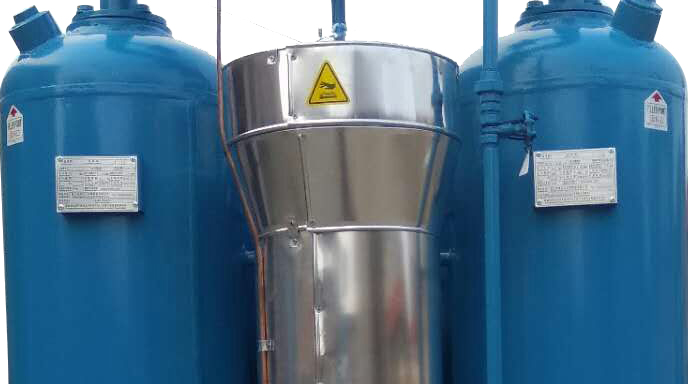
The Microthermal Regeneration Adsorption Dryer operates on a highly efficient cyclic dual-tower mechanism, engineered to provide a continuous and uninterrupted supply of deep-dried compressed air. In demanding industrial pneumatic systems, consistent air quality is critical to prevent equipment corrosion and process contamination. This dryer achieves non-stop operation by utilizing two identical pressure vessels (towers) that alternate smoothly between two distinct operational states: adsorption (drying) and regeneration (desorption). While one tower actively removes moisture from the incoming compressed air stream, the second tower simultaneously undergoes a controlled regeneration process to restore its moisture-capturing capacity. This synchronized alternation ensures that the downstream application receives a steady flow of dry air without interruption.
During the adsorption phase, wet compressed air characterized by a high water vapor partial pressure enters the active drying tower. This tower is densely packed with an industrial-grade adsorbent medium operating under standard pressurized conditions at room temperature. The core physical separation process relies entirely on the vast internal surface area and the microscopic porous structure of the desiccant bed.
As the humid compressed air flows through the adsorbent, water molecules are physically trapped within the pores through van der Waals forces and capillary condensation. Because the desiccant has a strong natural affinity for water vapor, the moisture is effectively stripped from the air stream. The precisely calculated contact time between the compressed air and the desiccant bed ensures maximum moisture removal, producing exceptionally dry air that consistently meets strict pressure dew point requirements for sensitive industrial applications.
For the system to operate continuously, the saturated adsorbent in the offline tower must be purged of its accumulated moisture. This is achieved during the microthermal regeneration phase, a process that intelligently combines the principles of pressure swing and temperature swing desorption.
Initially, the offline tower is depressurized to near-atmospheric pressure. A carefully metered, small volume of the pre-dried compressed air—referred to as the regeneration gas—is diverted from the active tower's outlet. Before entering the regenerating tower, this purge gas passes through an external heater, raising its temperature to an optimal desorption level.
The introduction of this moderately heated, low-pressure purge gas triggers two primary moisture removal mechanisms:
The heated purge gas acts as a highly effective carrier, sweeping the desorbed water vapor out of the tower and exhausting it safely into the atmosphere.
Following the heating cycle, the external heater is deactivated or bypassed, allowing unheated dry purge gas to continue flowing through the regenerated bed. This essential cooling step lowers the temperature of the desiccant back to ambient conditions, preparing it for the next adsorption cycle and preventing unwanted temperature spikes in the outgoing compressed air. Once the cooling phase concludes, the offline tower is gradually repressurized to match the main system pressure. The system's directional control valves then automatically switch the roles of the two towers, restarting the continuous, reliable cycle of deep drying and microthermal regeneration.
External High-Efficiency Heater: Engineered for demanding operational environments, the external heating unit features a highly dense and compact structural design. It utilizes an imported alloy heating element that ensures stable and consistent thermal transfer, which is crucial for maintaining optimal equipment performance. The main body is constructed from 316 stainless steel seamless piping. This material selection provides exceptional mechanical properties and superior resistance to corrosion, effectively handling the moisture-laden environment of compressed air systems. Furthermore, the seamless construction guarantees reliable operation even under continuous high-pressure gas impact, significantly reducing the risk of structural fatigue and minimizing necessary maintenance interventions over the equipment's lifespan.

High-Pressure Resistant Adsorption Cartridge: The adsorption towers are built to deliver durable and consistent performance under continuous industrial loads. With a robust design pressure rating of 1.0MPa, the cartridge safely accommodates standard pneumatic system demands while maintaining complete structural integrity. To protect against the harsh internal environment, the vessels are treated with a specialized internal anti-corrosion coating. This prevents oxidation and rust formation, which is vital for preventing contamination of the desiccant bed and ensuring the purity of the downstream compressed air. Externally, the tower surface is finished with industrial-grade protective paint to withstand challenging facility conditions. The overall architecture incorporates an easy-maintenance design, allowing facility operators to perform routine inspections and desiccant replacements with minimal downtime.

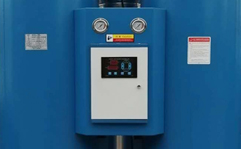
Intelligent Control Interface: Precision management of the drying equipment is handled by an advanced microcomputer microcontroller system. This interface is programmed with mature, field-tested control algorithms designed to automatically regulate the operation of the unit with minimal manual intervention. Facility managers can easily select from a variety of operational modes and functions tailored to specific site requirements. The intuitive interface provides clear feedback on system status, enabling operators to monitor performance parameters effectively. By automating the complex sequences required for continuous operation, this intelligent control setup reduces the likelihood of human error, ensures consistent stability, and supports reliable daily operation in demanding industrial facilities.

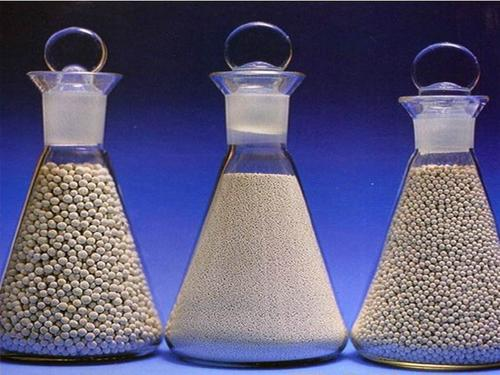
GNH-280 Zeolite Molecular Sieve: The desiccant bed utilizes a specialized GNH-280 type zeolite molecular sieve, specifically selected for deep-drying microthermal regeneration applications. This specialized medium delivers highly efficient moisture adsorption performance, ensuring stringent requirements are consistently met. A critical physical characteristic of the GNH-280 zeolite is its high-strength wear resistance. This structural durability minimizes desiccant dusting and degradation caused by continuous airflow friction and pressure fluctuations, thereby protecting downstream particulate filters from premature clogging. Furthermore, the material exhibits an impressive adsorption heat capacity reaching 4200 dry coke, facilitating effective moisture capture. The robust nature of this molecular sieve translates to a significantly extended service life, directly reducing the frequency of media replacement and lowering the overall operating costs for the facility.

Compared to conventional compressed air drying technologies, the Microthermal Regeneration Adsorption Dryer is engineered to deliver significant operational value. By addressing common industrial challenges such as high energy consumption, frequent maintenance, and equipment degradation, this system provides a balanced approach to air treatment. It is specifically designed to help facility managers and procurement teams optimize their overall cost of ownership while maintaining reliable performance in demanding environments.
Energy consumption is a critical factor in the lifecycle cost of any compressed air system. This dryer utilizes an advanced micro-heating method for the regeneration process, creating a highly efficient middle ground between traditional alternatives. Compared to standard heatless dryers, it significantly reduces regeneration gas consumption, minimizing the amount of valuable compressed air wasted during the purge cycle. Conversely, when compared to full-heat regenerative dryers, it requires substantially less electrical power to operate the heating elements. This optimized thermal management directly translates to lower monthly utility bills, reduced carbon footprint, and a faster return on investment for industrial facilities looking to improve their energy management strategies.
The core of any adsorption dryer is its desiccant medium. This system utilizes a specialized adsorbent formulated for high wear resistance and structural stability. In typical industrial operations, pressure fluctuations and continuous cycling can cause standard desiccants to degrade, leading to dusting, blocked filters, and compromised moisture removal. The enhanced durability of our selected adsorbent minimizes these issues, ensuring it maintains its moisture-capturing capacity over a significantly extended period. For maintenance teams, this means fewer scheduled shutdowns for desiccant replacement, cutting replacement costs, and ensuring a more consistent air quality output throughout the equipment's operational lifespan.
Industrial environments often expose equipment to challenging conditions, including vibration, moisture, and potentially corrosive ambient air. To ensure long-term reliability, this dryer features high-pressure resistant adsorption cartridges designed to handle fluctuating system demands without structural fatigue. Furthermore, the internal surfaces are treated with specialized corrosion-resistant coatings. This protective layer prevents internal rusting and degradation, which could otherwise contaminate the clean air stream or weaken the vessel integrity. By prioritizing durable construction, the system withstands harsh industrial conditions, extending its service life and protecting your capital investment even in rigorous manufacturing settings.
Operational safety and facility layout optimization are key considerations for modern plant design. The external heater of this microthermal dryer is equipped with a reliable temperature protection mechanism. This safety feature actively monitors thermal levels to prevent overheating, mitigating the risk of component damage or safety hazards during the regeneration phase. Additionally, the system is engineered with a compact design. In crowded mechanical rooms or facilities where floor space is at a premium, this streamlined footprint allows for easier integration into existing compressed air networks. It saves floor space in crowded facilities, simplifies the installation process, and reduces the need for extensive piping modifications.
The Deep-Drying Microthermal Regeneration Adsorption Dryer is engineered to meet the stringent demands of modern manufacturing facilities that require continuously dry and clean compressed air. In many precision processes, even trace amounts of moisture in pneumatic systems can lead to severe consequences, including equipment malfunction, product contamination, and compromised safety. By effectively eliminating water vapor from the compressed air system, this drying equipment serves as a critical utility safeguard across various demanding application scenarios, ensuring operational stability and reducing long-term maintenance costs.
In the electronics and semiconductor sector, moisture is a primary cause of component failure. The manufacturing and assembly of semiconductor chips, printed circuit boards (PCBs), and sensitive microelectronics require a strictly controlled environment. If compressed air containing water vapor is used in pneumatic tools, pick-and-place machines, or cleaning processes, it can cause immediate micro-short circuits, oxidation of conductive pathways, and long-term reliability issues. By providing deeply dried compressed air, this adsorption dryer protects delicate electronic components from moisture-induced damage, significantly reducing defect rates and ensuring high-yield production in cleanroom environments.
The food and beverage processing sector operates under strict hygiene regulations where moisture control is non-negotiable. When compressed air is used for the pneumatic conveying of powdered ingredients, excess moisture can cause severe caking, blocking transport lines and halting production. Furthermore, in baking, bottling, and food packaging processes, moist air can promote mold growth and bacterial contamination. Utilizing this deep-drying equipment ensures that all compressed air coming into direct or indirect contact with food products remains completely dry, preventing contamination, preserving product shelf life, and maintaining compliance with industry health and safety standards.
Pharmaceutical manufacturing demands the highest level of process control to ensure drug efficacy and patient safety. Compressed air is widely used in drug fermentation tanks, powder granulation, tablet pressing, and injection filling lines. Moisture in the air supply can compromise the chemical stability of active ingredients, cause powders to stick to tablet presses, and lead to batch rejections. This adsorption dryer delivers consistently dry air that meets rigorous pharmaceutical regulatory standards. It helps facilities maintain precise humidity control during sensitive processes, safeguarding the purity, consistency, and structural integrity of medical products.
In the chemical industry, the presence of water vapor in compressed air lines can be highly detrimental and potentially hazardous. Many chemical synthesis processes and raw materials are highly water-reactive. Introducing moist air into storage tanks, pneumatic control valves, or material transfer systems can trigger unwanted chemical reactions, degrade catalysts, and cause severe corrosion within pipelines. By deploying this reliable drying solution, chemical plants can maintain a strictly moisture-free pneumatic environment. This not only protects the quality of the chemical products but also ensures the safe and continuous operation of critical plant infrastructure.
Modern textile manufacturing relies heavily on compressed air, particularly in the operation of high-speed air-jet looms, spinning machines, and automated dyeing equipment. If the compressed air is not adequately dried, the introduced moisture can compromise fabric integrity, leading to yarn breakage and unexpected machine downtime. Additionally, in weaving and dyeing processes, water droplets in the air supply can cause uneven dye distribution, discoloration, or fabric shrinkage. The deep-drying adsorption dryer provides a stable and dry air supply that maintains optimal weaving conditions, prevents moisture-related fabric defects, and maximizes the operational efficiency of textile machinery.
Beyond these specific sectors, any facility relying on sophisticated pneumatic controls, instrumentation air, or sensitive automated production lines can benefit from this advanced drying solution. By addressing the root cause of moisture-related pneumatic failures, the dryer helps purchasing managers and facility engineers mitigate operational risks, extend the lifespan of downstream equipment, and maintain uninterrupted production schedules.
The deep-drying microthermal regeneration adsorption dryer is engineered to deliver three core system-level functions, ensuring reliable and efficient support for demanding industrial compressed air systems:
Please review the technical parameter data sheet below for detailed specifications, including processing capacity, pressure requirements, and connections, to help you select the appropriate model for your specific project needs.