
- Home
- Products
- Hot
- About Us
- Services
- Industry
- Contact

Learn how to select compressed air filters to protect downstream equipment, minimize pressure drop, and meet ISO 8573-1 standards.
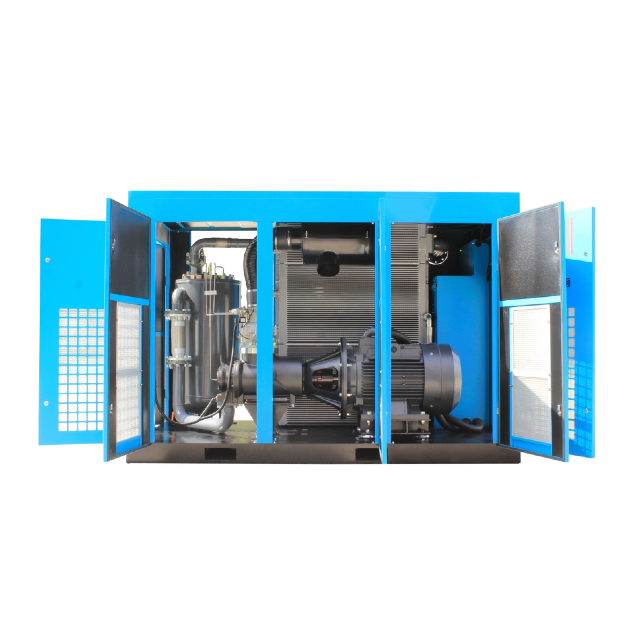
Discover the differences between air oil separators and precision filters, and how to sequence them to optimize your compressed air system.
Learn how to select and maintain screw compressor air-oil separators to prevent oil carryover, minimize pressure drops, and ensure system safety.

Learn how to select the right air compressor oil filter to protect your rotary screw airend, optimize performance, and prevent costly downtime.

Optimize laser cutting with specialized screw compressors. Prevent lens failure and ensure precise cuts with ultra-clean, stable air systems.
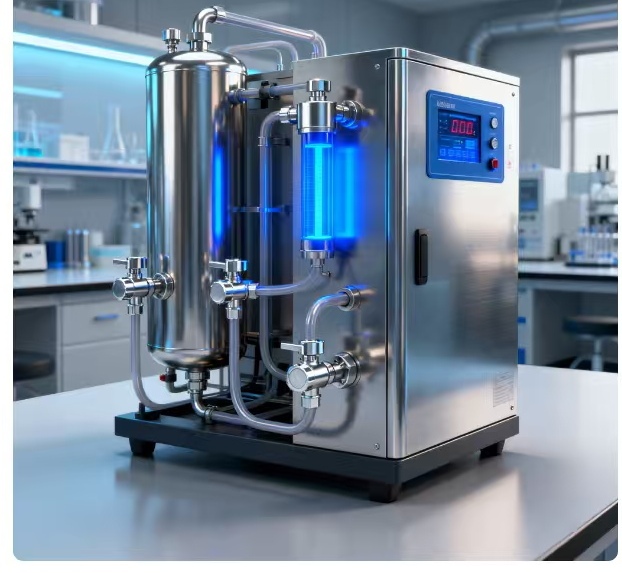
Learn how onsite nitrogen generation slashes costs by 90%. This guide covers ROI, purity control, and choosing between PSA and membrane systems.


