
- Home
- Products
- Hot
- About Us
- Services
- Industry
- Contact
Views: 0 Author: Site Editor Publish Time: 2025-10-25 Origin: Site


Choosing the right air compressor is vital for your operations. But should you go for a two stage screw air compressor or a simpler model?Air compressors are essential in industrial applications. Whether you're powering tools or machinery, understanding the difference can make all the difference.
In this article, you’ll learn the key distinctions between single-stage and two-stage compressors. We'll help you choose the best one based on your needs.
A single-stage screw air compressor works by drawing in air through an intake valve, compressing it in one single stroke, and then pushing the compressed air into a storage tank. This process typically compresses the air up to around 120 PSI, which is sufficient for many light-duty applications.
In a single-stage system, the compression process is straightforward: air is compressed once and then delivered for use. This makes single-stage compressors ideal for small projects or DIY tasks where the demand for compressed air is relatively low and intermittent.
A two-stage screw air compressor, in contrast, compresses air in two stages, making it more efficient for heavy-duty applications. Initially, air is drawn into the compressor and compressed to a lower pressure, usually around 90 PSI. The air is then passed through an intercooler to cool it down and remove moisture. Afterward, it undergoes a second stage of compression, reaching pressures of up to 175 PSI or higher.
This two-step process makes two-stage screw air compressors much more efficient, particularly for continuous and high-pressure applications. The additional compression stage enables these compressors to deliver higher pressure and a more consistent airflow.
One of the primary distinctions between single-stage and two-stage compressors is the maximum pressure each can produce. Single-stage compressors typically achieve a pressure of up to 120 PSI, which is adequate for small tools and equipment. However, two-stage compressors can reach up to 175 PSI or more, making them suitable for demanding industrial tasks that require high pressure and continuous use.
In addition to higher pressure, two-stage compressors are more energy-efficient than their single-stage counterparts. By compressing air in two stages, the workload on each piston is reduced, which minimizes energy consumption and reduces operating costs over time. This makes two-stage compressors a more sustainable choice for large-scale operations that require continuous airflow.
Heat generation is a crucial factor to consider when selecting an air compressor. Single-stage compressors generate more heat because air is compressed in one stroke. The increase in temperature can reduce the compressor's efficiency and may lead to overheating, especially during extended use.
On the other hand, two-stage compressors are designed to manage heat more effectively. The intercooler between the two compression stages helps cool the air before the second stage of compression. This cooling process reduces heat buildup and improves the overall performance and longevity of the compressor.
The design of a single-stage compressor typically favors simplicity, with fewer parts and components. However, this simplicity also means that single-stage compressors are more prone to wear and tear. The higher pressures generated in a single stroke can strain the components, potentially shortening the lifespan of the compressor over time.
Two-stage compressors, in contrast, are designed for continuous use, making them more durable and reliable for long-term operation. By distributing the compression process over two stages, these compressors reduce the strain on the components, leading to a longer lifespan and fewer maintenance issues. Additionally, the ability to cool the air between stages contributes to less wear on the compressor's parts.
Feature | 1 Stage Screw Air Compressor | 2 Stage Screw Air Compressor |
Compression Process | Single compression stroke, up to 120 PSI | Two compression strokes, reaching up to 175 PSI |
Pressure Capacity | Max 120 PSI | Max 175 PSI or higher |
Efficiency | Moderate, less efficient at high pressures | Higher efficiency, reduced energy consumption |
Heat Generation | Generates more heat due to single compression | Less heat, due to intercooling between stages |
Applications | Small-scale, intermittent use | Heavy-duty, continuous use |
Component Durability | Shorter lifespan, more wear and tear | Longer lifespan, reduced strain on components |
Single-stage compressors are best suited for applications where the demand for compressed air is moderate and intermittent. These compressors are commonly used in:
● Woodworking: Powering air tools such as nail guns, drills, and sanders. These tools typically do not require high-pressure air, making a single-stage compressor ideal.
● Metalworking: Small-scale applications like cutting, grinding, and riveting, where compressed air pressures of up to 100 PSI are sufficient.
● DIY Projects: Whether it's inflating tires, powering small air tools, or painting, a single-stage compressor offers the versatility needed for various home improvement projects.
Two-stage compressors excel in industrial settings where higher air pressure is necessary, and where equipment must run continuously. These compressors are used in industries such as:
● Manufacturing: Powering heavy-duty pneumatic tools and machinery, such as drills, wrenches, and sanders, that require consistent, high-pressure air.
● Automotive: Automotive repair shops, assembly lines, and painting stations rely on two-stage compressors to power tools that demand high pressure and continuous airflow.
● Food and Beverage: Used in packaging, bottling, and sealing applications, where large volumes of compressed air are required consistently throughout the production process.
Single-stage compressors are ideal for small-scale, intermittent use, but two-stage compressors are built for long-term, high-demand environments. In industries like aerospace, automotive manufacturing, and food processing, where operations need to run continuously and require high-pressure air, two-stage compressors provide the reliability and performance necessary for large-scale applications.
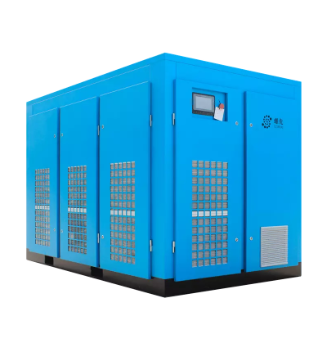
Single-stage compressors are typically more affordable due to their simpler design and fewer components. This makes them an attractive option for small businesses or DIY users on a budget. Their lower initial investment makes them a cost-effective solution for less demanding tasks.
Two-stage compressors, however, come with a higher upfront cost. The added complexity of the dual compression stages and the additional components contribute to the higher purchase price. Despite this, two-stage compressors may prove more economical in the long run, especially for industries requiring constant use and higher pressures.
While single-stage compressors are more budget-friendly initially, two-stage compressors offer significant operational savings. The increased energy efficiency of two-stage compressors means they consume less electricity, particularly when used in applications that require continuous, high-pressure air.
Additionally, the longer lifespan and reduced maintenance needs of two-stage compressors contribute to lower total operating costs. Over time, the savings from reduced energy consumption and fewer service requirements can make two-stage compressors a more cost-effective choice for industrial environments.
For businesses with high-volume or high-pressure requirements, two-stage compressors offer better long-term cost efficiency. On the other hand, for businesses or projects where compressed air demands are lower, single-stage compressors are a more affordable and practical option.
Cost Factor | 1 Stage Screw Air Compressor | 2 Stage Screw Air Compressor |
Initial Cost | Lower upfront cost | Higher initial cost due to more complex design |
Operational Costs | Higher energy consumption at high pressures | Lower energy consumption, more efficient at high pressures |
Maintenance Costs | Lower, simpler maintenance | Higher maintenance costs but less frequent |
Long-Term Efficiency | Less efficient for high-demand applications | More efficient, providing better energy savings long-term |
Cost Efficiency | Economical for small-scale operations | Economical for large-scale, high-demand operations |
Two-stage screw air compressors are generally more efficient than single-stage compressors. The dual compression stages reduce the amount of energy required to achieve the desired pressure, resulting in lower operational costs, particularly in high-demand industrial environments.
The ability to compress air in two stages also reduces energy losses, meaning that two-stage compressors provide more air with less energy consumption, making them a better option for operations that run continuously.
Two-stage compressors are built for heavy-duty, continuous use, making them more reliable than single-stage compressors in demanding applications. Their design ensures that air pressure remains consistent, even during long operational hours. The cooling effect between the compression stages also prevents overheating, improving the compressor's durability and minimizing downtime.
When selecting a compressor, it’s essential to understand the power ratings and how they affect performance. Two-stage compressors are designed to handle higher airflow and pressure, making them ideal for industrial-scale applications. Their ability to maintain consistent power output makes them a better choice for high-demand environments that require a continuous supply of compressed air.
The first step in choosing the right compressor is understanding the pressure needs of your application. If your tools require pressures below 100 PSI, a single-stage screw air compressor may suffice. However, for tasks that require higher pressure, particularly in industrial or large-scale operations, a two-stage screw air compressor will deliver the performance you need.
In addition to pressure, consider the volume of compressed air required for your operations. Single-stage compressors are sufficient for low-volume tasks, while two-stage compressors can handle higher volumes, making them ideal for large-scale applications.
For businesses or industries with continuous use or higher-pressure requirements, two-stage compressors provide greater efficiency and reliability. These compressors are designed for demanding environments, offering long-term performance with reduced operational costs.
While single-stage compressors come with a lower initial investment, two-stage compressors offer better long-term value. Their energy efficiency and reduced maintenance needs make them a more economical choice for industries requiring continuous, high-pressure air.
The choice between a single-stage screw air compressor and a two-stage screw air compressor depends on the needs of your application. For light-duty tasks, a single-stage compressor offers an affordable and efficient solution. However, for industries requiring higher pressure and continuous operation, a two-stage compressor is more suitable.
If your tasks involve high pressure and continuous use, investing in a two-stage screw air compressor from Luoyou will provide the long-term reliability and efficiency needed for large-scale operations. Luoyou offers high-quality products that deliver exceptional value and performance.
A: A two-stage screw air compressor compresses air in two stages, offering higher pressure and efficiency, ideal for heavy-duty applications.
A: A two-stage screw air compressor first compresses air to a moderate pressure, cools it, and then compresses it again to higher pressure for continuous use.
A: Two-stage screw air compressors provide greater efficiency, higher pressure, and cooler operation, making them suitable for industrial applications.
A: If your operations require continuous high pressure, a two-stage screw air compressor offers long-term reliability and energy savings.
A: A two-stage screw air compressor generally costs more upfront than a single-stage, but offers better energy efficiency and lower long-term operating costs.


