
- Home
- Products
- Hot
- About Us
- Services
- Industry
- Contact
Views: 0 Author: Site Editor Publish Time: 2025-12-08 Origin: Site


Vacuum pumps play a critical role in a variety of industrial applications, such as in pharmaceuticals, semiconductor manufacturing, and food processing, where they help create controlled environments by removing air and contaminants. As industries increasingly focus on reducing operational costs and improving efficiency, energy efficiency has become a key consideration. Traditional vacuum pumps, while essential, often consume large amounts of energy, contributing to high operating costs. In response, energy-saving vacuum pumps have been developed to reduce energy consumption without compromising performance. These advanced pumps incorporate technologies such as variable speed drives and high-efficiency motors, offering significant energy savings and contributing to a more sustainable, cost-effective operation.
Energy-saving vacuum pumps are designed to use less energy while maintaining high performance, making them a more cost-effective and sustainable option compared to traditional pumps. Here’s how they achieve this:
Energy-saving vacuum pumps optimize energy use by adjusting their speed and power based on the actual demand of the process. Unlike traditional pumps that run at a constant speed, these pumps only consume the necessary energy, reducing overall energy usage.
Variable Speed Drives (VSD): VSDs allow the pump to adjust speed according to the workload. This dynamic operation saves energy, especially in applications with fluctuating demands.
High-Efficiency Motors: These motors convert more electrical energy into mechanical power, improving efficiency and reducing power consumption, even under variable loads.
Oil-Free Pumps: These pumps eliminate the need for oil lubrication, reducing energy loss and maintenance. They are ideal for applications requiring purity in the vacuum environment.
Dry Vacuum Pumps: Dry pumps use air or gas compression, avoiding the energy losses associated with oil circulation systems. They are more energy-efficient and environmentally friendly due to the absence of oil waste.
Energy-efficient vacuum pumps offer significant cost savings by optimizing energy consumption, reducing maintenance needs, and extending the pump’s lifespan. Here’s how these benefits translate into cost reduction:
Energy-efficient vacuum pumps consume less power compared to traditional models by adjusting their speed to match the workload. This means they only use as much energy as needed, resulting in lower electricity costs. By reducing energy waste, these pumps can lead to substantial savings over time, especially in industries with high energy demands.
Energy-efficient pumps often have fewer moving parts and advanced designs that minimize wear and tear. With reduced friction and less strain on components, these pumps require less frequent maintenance and fewer repairs. This leads to lower maintenance costs and less downtime, ensuring that operations run smoothly without unexpected interruptions.
Optimized energy usage means that energy-efficient vacuum pumps experience less internal stress, which contributes to longer pump life. By running at more efficient speeds and reducing the need for constant high-power operation, these pumps experience less wear, leading to fewer replacements and lower overall operational costs in the long term.
Energy-saving vacuum pumps not only reduce operational costs but also play a significant role in promoting environmental sustainability. By improving energy efficiency, these pumps help industries lower their environmental impact. Here’s how they contribute to a greener future:
Energy-efficient vacuum pumps consume less energy, which directly translates to lower carbon emissions. By optimizing energy use and reducing electricity demand, these pumps help decrease the overall carbon footprint of industrial operations. This is particularly important for industries striving to meet environmental regulations and sustainability standards.
As industries move toward greener practices, energy-saving vacuum pumps help achieve sustainability goals by reducing energy consumption. These pumps are a key part of efforts to minimize resource usage and reduce environmental pollution. In sectors like pharmaceuticals, food production, and electronics, using energy-efficient pumps contributes to broader sustainability initiatives, such as reducing greenhouse gas emissions and improving energy conservation.
Several companies have already seen the benefits of switching to energy-saving vacuum pumps. For example, a pharmaceutical company reduced its energy usage by 30% by installing energy-efficient vacuum pumps, significantly lowering both its carbon footprint and operational costs. Similarly, a semiconductor manufacturer reduced its energy consumption and improved production efficiency by upgrading to energy-saving vacuum pumps, aligning with their commitment to sustainability and reducing the environmental impact of their operations.
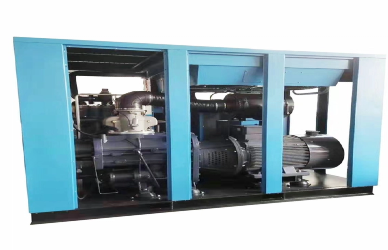
Energy-saving vacuum pumps are becoming increasingly popular in various industries due to their ability to reduce energy consumption and improve overall operational efficiency. Here are some key industries that benefit from energy-efficient vacuum pumps:
In the pharmaceutical industry, energy-saving vacuum pumps play a vital role in processes like freeze drying, tablet compression, and sterile transfer systems. These pumps ensure contamination-free environments while helping companies meet strict energy and environmental standards. By optimizing energy usage, pharmaceutical manufacturers can reduce costs and contribute to sustainability efforts without compromising product quality or safety.
The semiconductor industry requires highly controlled environments for the production of microchips and other electronic components. Energy-saving vacuum pumps are essential in cleanrooms where the smallest particles can disrupt the manufacturing process. These pumps not only ensure a contamination-free environment but also reduce the significant energy consumption required in semiconductor manufacturing, especially for continuous operation processes.
In food packaging, energy-efficient vacuum pumps are used to vacuum seal products, extending shelf life and preventing contamination. By reducing energy usage, these pumps help lower operational costs in packaging facilities that run continuously. They also contribute to sustainable food production, aligning with goals to reduce energy consumption and waste in the industry.
In chemical processing, vacuum pumps are used for applications like distillation, solvent recovery, and reaction vessel evacuation. Energy-saving pumps help reduce energy costs in these continuous processes, improving the efficiency of chemical operations. These pumps also contribute to sustainability by minimizing energy consumption and enhancing the overall energy efficiency of chemical plants.
Energy-saving vacuum pumps are particularly beneficial in industries with high runtime or continuous operation, such as food production, pharmaceuticals, and chemical processing. These industries often require pumps to operate 24/7, and optimizing energy consumption during these long operating hours can lead to substantial cost savings. The ability to adjust speed and power usage based on demand allows these pumps to operate efficiently throughout extended periods, reducing energy waste and improving operational sustainability.
Selecting the right energy-saving vacuum pump is essential for improving efficiency, reducing energy costs, and ensuring optimal performance. Here are the key factors to consider:
Flow Rate: Choose a pump with the right flow rate to match your application’s requirements. A pump that’s too small will not meet demand, while an oversized pump can waste energy.
Vacuum Level: Select a pump that can achieve the specific vacuum level required for your application to avoid unnecessary energy consumption.
Energy Consumption: Look for pumps with energy-efficient features, such as variable speed drives (VSD) or high-efficiency motors, which help optimize energy use based on demand.
It’s important to match the pump’s capabilities with your specific needs:
Operating Conditions: Different industries may require oil-free or dry pumps to prevent contamination and ensure cleanliness.
Continuous vs. Intermittent Use: For continuous operations, choose energy-saving pumps with VSD technology to minimize energy use during low-demand periods.
Energy Savings: Estimate how much energy you can save compared to traditional pumps. Energy-efficient pumps can reduce energy costs significantly by adjusting speed based on need.
Maintenance and Longevity: Consider lower maintenance costs and longer pump life, which contribute to overall savings.
ROI: Calculate the return on investment by factoring in the initial cost and the long-term savings from reduced energy consumption and maintenance.
A1: The exact savings depend on the pump's size, usage, and application. However, energy-efficient vacuum pumps can reduce electricity costs by up to 50% compared to traditional models, particularly in high-demand, continuous operations.
Q2: What factors should I consider when selecting an energy-saving vacuum pump?
A2: Consider the vacuum level, flow rate, application requirements, and the overall energy consumption of the pump. Additionally, ensure the pump’s efficiency is matched to your facility's operating hours and load conditions to maximize energy savings.
A3: Yes, many energy-saving vacuum pumps are designed to be compatible with existing systems. However, it’s important to assess the compatibility with your current infrastructure, including power supply and control systems, to ensure seamless integration.
A4: Energy-saving vacuum pumps are suitable for a wide range of industries, particularly those with high-energy consumption, such as pharmaceuticals, food
Energy-saving vacuum pumps play a vital role in reducing operational costs by optimizing energy consumption and minimizing waste. These pumps not only lower electricity bills but also contribute to long-term financial benefits through reduced maintenance costs and extended equipment life. Investing in energy-efficient vacuum pumps supports sustainability goals by reducing carbon footprints and energy use, making them an essential component in modern industrial operations. As industries continue to prioritize cost-efficiency and environmental responsibility, the demand for energy-saving technologies will only grow, making it crucial for businesses to adopt these advanced solutions for improved performance and sustainability.


