
- Home
- Products
- Hot
- About Us
- Services
- Industry
- Contact
Views: 0 Author: Site Editor Publish Time: 2025-12-04 Origin: Site


Vacuum pumps are essential devices that remove gas molecules from a sealed space to create a vacuum, helping maintain controlled environments across a wide range of industries. These pumps are critical in sectors such as pharmaceuticals, electronics, and food production, where contamination-free environments are paramount to ensure product quality, safety, and reliability. In the pharmaceutical industry, vacuum pumps help create sterile conditions for drug production, while in electronics manufacturing, they maintain cleanrooms essential for the production of sensitive components like semiconductors. Similarly, in the food industry, vacuum pumps are used for packaging to preserve freshness and prevent contamination. By removing air, moisture, and particles, vacuum pumps ensure the purity and cleanliness required for these industries, playing a vital role in achieving high standards of hygiene and operational efficiency.
A contamination-free environment is a controlled space where contaminants like dust, bacteria, and particles are minimized or eliminated. These environments are essential in industries where even the smallest impurity can affect product quality, safety, and effectiveness.
In industries like pharmaceuticals, electronics, and food production, contamination can lead to defects, health risks, and regulatory issues. Controlling the environment is critical for ensuring optimal conditions and maintaining high industry standards.
Pharmaceuticals and Medical Devices: Cleanrooms are vital for ensuring sterile conditions in the production of drugs, vaccines, and medical devices.
Semiconductors: Manufacturing microchips requires strict contamination control, as even tiny particles can cause defects in sensitive electronic components.
Food Production and Packaging: A contamination-free environment is crucial for maintaining food safety and quality, preventing contamination that could lead to health risks.
Contamination can have serious consequences:
Pharmaceuticals: Contamination can render drugs unsafe or ineffective, leading to recalls and regulatory violations.
Semiconductors: Even minor contamination can damage sensitive components, causing defects and production delays.
Food Production: Contamination can lead to foodborne illnesses, spoilage, and costly product recalls.
Vacuum pumps play a critical role in maintaining contamination-free environments by removing air and contaminants from sealed spaces. These pumps create controlled conditions that are essential for industries such as pharmaceuticals, semiconductor manufacturing, and food production, where cleanliness and purity are paramount.
Vacuum pumps work by removing air, moisture, and unwanted particles from a sealed environment, creating a partial vacuum. This is vital for maintaining sterile or controlled conditions where contamination from external sources must be minimized. By evacuating the air and contaminants, vacuum pumps help maintain the integrity of the process and ensure that no foreign substances compromise the quality or safety of the products being produced.
Different types of vacuum pumps are suited to various contamination-sensitive applications:
Oil-Free Pumps: These pumps are essential for environments where oil contamination is a concern, such as in pharmaceuticals or food packaging. They ensure that no oil mist or residue is introduced into the environment.
Dry Pumps: Dry vacuum pumps are ideal for processes where moisture or fluid contamination must be avoided. These pumps operate without lubrication, making them perfect for cleanroom environments and other sensitive applications.
High-Efficiency Pumps: These pumps are designed for applications requiring high vacuum levels and rapid evacuation. They provide enhanced contamination control by maintaining low levels of airborne particles and contaminants, making them ideal for semiconductor manufacturing and medical device production.
Vacuum pumps are essential in several processes that require the removal of contaminants:
Dehydration and Drying: Vacuum pumps help remove moisture from products, such as in freeze-drying pharmaceuticals or moisture extraction in food production, ensuring product quality and preventing microbial growth.
Air Purification: By creating a vacuum, these pumps help purify air in controlled environments by removing particulate matter, dust, and microorganisms that could otherwise compromise the process.
Particle Removal: In semiconductor manufacturing and other precision industries, vacuum pumps are used to evacuate small particles from the air, maintaining the cleanliness of the environment and preventing contamination during production.
Vacuum pumps are essential in maintaining contamination-free environments across various industries. These environments ensure the safety, quality, and efficiency of production processes, especially in sectors like pharmaceuticals, electronics, food packaging, and research.
In the pharmaceutical industry, vacuum pumps are used to create sterile environments for the production of medicines, vaccines, and biologics. These pumps help remove air and contaminants, ensuring that products are free from harmful particles and bacteria. They also assist in processes like freeze-drying and dehydration, where moisture removal is crucial for preserving product integrity.
Vacuum pumps in the semiconductor industry help maintain cleanrooms where even minute particles can damage microchips. By evacuating air and contaminants, vacuum pumps ensure a contamination-free environment, enabling high-precision manufacturing of electronic components.
In food packaging, vacuum pumps are used for vacuum-sealing food products, removing air to extend shelf life and prevent spoilage. This process also inhibits the growth of microorganisms, ensuring the freshness and safety of packaged food.
In laboratories, vacuum pumps create clean environments for research and testing. They remove contaminants and are used in processes like vacuum distillation, degassing, and drying, ensuring precise and accurate results.
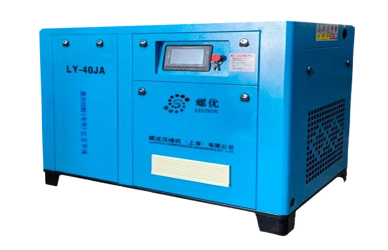
Vacuum pumps are essential for maintaining contamination-free environments and ensuring efficient, safe operations in industries such as pharmaceuticals, electronics, and food production. Here are the key benefits:
Vacuum pumps create the exact conditions needed for contamination-free operations by removing air, moisture, and particles. This ensures controlled environments for sensitive processes, like pharmaceutical manufacturing and semiconductor production, enabling high-quality results and minimizing contamination.
By reducing the reliance on chemical contamination control, vacuum pumps offer a more efficient and cost-effective solution. They improve production efficiency and reduce the costs of materials and maintenance, leading to long-term savings by minimizing defects and rework.
Modern vacuum pumps are energy-efficient and eco-friendly, consuming less energy and reducing environmental impact. Technologies like dry or oil-free pumps minimize waste, supporting sustainable practices and lowering carbon footprints.
Selecting the right vacuum pump for contamination-sensitive applications is vital to ensure performance, efficiency, and purity. Here are the key factors to consider:
Flow Rate: The pump’s flow rate determines how quickly it can evacuate air. A higher flow rate may be necessary depending on the application.
Vacuum Level: Different processes require different vacuum levels. For example, high-vacuum pumps are needed in semiconductor manufacturing, while low-vacuum may suffice for other applications.
Maintenance Requirements: Low-maintenance pumps, such as oil-free or dry pumps, reduce downtime and ensure consistent performance in sensitive environments.
For environments requiring absolute purity, oil-free and dry pumps are essential. Oil-based pumps can introduce contaminants, which is unacceptable in industries like pharmaceuticals, semiconductors, and food packaging. These pumps operate without oil or lubrication, ensuring contamination-free performance.
A1: Contamination-free environments are spaces where pollutants, particles, and microorganisms are controlled or eliminated to maintain purity. They are critical in industries like pharmaceuticals, electronics, and food production, where even small contaminants can lead to product defects, health risks, or operational inefficiencies.
A2: Vacuum pumps remove air and contaminants from a sealed space, creating a controlled environment. They help in removing unwanted particles, moisture, and air impurities, maintaining the cleanliness required for sensitive operations, such as pharmaceutical production and semiconductor manufacturing.
Q3: Are oil-free vacuum pumps necessary for contamination-sensitive environments?
A3: Yes, oil-free vacuum pumps are crucial for contamination-sensitive environments because they eliminate the risk of oil mist contamination, ensuring that no harmful particles are introduced into the environment. They are ideal for cleanroom applications and industries requiring absolute purity, such as the pharmaceutical and food sectors.
A4: Vacuum pumps reduce the need for additional chemical treatments or external contamination control measures, improving overall efficiency and reducing operational costs. They also help to streamline processes by creating the ideal conditions for contamination-free production, leading to fewer product defects and lower waste.
Vacuum pumps are essential in maintaining contamination-free environments across various industries, including pharmaceuticals, electronics, food production, and research. These pumps play a key role in ensuring product quality, operational efficiency, and safety by effectively removing air, moisture, and particles, which can compromise the integrity of sensitive processes. Whether it's ensuring sterility in drug manufacturing, preventing contamination in cleanrooms, or preserving food quality, vacuum pumps are indispensable for creating controlled environments. As industries continue to focus on hygiene, precision, and sustainability, the demand for advanced vacuum technology will only grow, making it crucial for industries to invest in the latest vacuum solutions to meet high standards of cleanliness and operational performance.


