
- Home
- Products
- Hot
- About Us
- Services
- Industry
- Contact
Views: 0 Author: Site Editor Publish Time: 2025-12-05 Origin: Site


Vacuum pumps are essential components in a wide range of industries, including pharmaceuticals, manufacturing, electronics, and food processing. They are critical for creating controlled environments by removing air and contaminants, ensuring the safety, quality, and efficiency of operations. However, like any mechanical system, vacuum pumps can encounter problems that affect their performance and longevity. Common issues such as loss of vacuum pressure, overheating, excessive noise, oil contamination, and vibration can significantly impact their efficiency. Identifying and addressing these problems promptly is crucial to maintaining smooth operation, avoiding costly downtime, and ensuring the continued reliability of the pump. Proper maintenance and timely repairs are key to keeping vacuum pumps running efficiently and extending their lifespan.
Vacuum pumps are critical components in many industrial applications, but like any mechanical system, they can experience issues that affect their performance and longevity. Below are some of the most common problems encountered with vacuum pumps and practical solutions to address them:
Causes: Loss of vacuum pressure is often caused by leaks, worn seals, or clogged filters. A small leak or a degraded seal can allow air to enter the system, compromising the vacuum level.
How to Fix: Regularly inspect the seals for wear and replace them if necessary. Check for leaks around the pump and all connections, using a leak detection method if needed. Also, ensure that filters are replaced on a regular schedule to prevent blockages that could affect the pump's efficiency.
Causes: Overheating occurs when the pump is not receiving enough ventilation, is overburdened with an excessive workload, or is set to incorrect operating conditions. Continuous overheating can damage internal components and reduce the lifespan of the pump.
How to Fix: Ensure the pump has sufficient ventilation and airflow around it. Avoid overloading the pump beyond its recommended capacity. Adjust the pump settings to match the manufacturer’s guidelines to optimize cooling and efficiency. If necessary, install additional cooling systems or fans to regulate temperature.
Causes: Excessive noise can result from misalignment of parts, worn bearings, or debris inside the pump. If parts are not properly aligned, or bearings are worn down, friction increases, leading to noisy operation.
How to Fix: Lubricate the moving parts of the pump to reduce friction and ensure smooth operation. Check for any misalignment of internal components and realign them as needed. Clean the pump thoroughly to remove any debris or dirt that may be contributing to the noise. Regular lubrication and cleaning can greatly reduce wear and noise.
Causes: Oil contamination in oil-lubricated vacuum pumps can be caused by oil leakage, the use of low-quality oil, or excessive wear of internal components. Contaminated oil can reduce the pump’s performance and lead to long-term damage.
How to Fix: Regularly check oil levels and replace the oil according to the manufacturer’s recommendations. Use high-quality, compatible oil to prevent contamination. If oil leakage is identified, address the source of the leak immediately and replace damaged seals. Routine oil changes and using the correct oil can prevent issues related to oil contamination.
Causes: Vibration or unstable operation typically results from imbalanced parts, worn components, or improper mounting. If the pump is not securely mounted, or if components like bearings or rotors are worn out, it can cause the pump to vibrate excessively.
How to Fix: Inspect the pump for any imbalanced or worn-out components and replace them as necessary. Ensure the pump is securely mounted on a stable surface to prevent vibrations. Regularly check and adjust the alignment of parts to maintain smooth operation. If vibration continues, consider having the pump professionally inspected to address deeper mechanical issues.
Proper maintenance is essential to ensure the long-term efficiency and reliability of your vacuum pump. By regularly inspecting and maintaining your pump, you can avoid common issues, prevent costly repairs, and ensure smooth operation. Here are some key preventive maintenance tips:
Routine inspection and cleaning are crucial to avoid the buildup of contaminants and debris that can affect the performance of the pump. Check for any signs of wear, leaks, or blockages in the pump’s components, including filters, seals, and hoses. Cleaning the pump regularly will help prevent the accumulation of dust, dirt, or other particles that could impair its operation. Make sure the pump is free from any foreign materials that could lead to internal damage or inefficiency.
For oil-lubricated vacuum pumps, it is essential to keep an eye on the oil levels and replace the oil at recommended intervals. Low oil levels can lead to increased friction and overheating, which can damage internal components. Regularly check the oil quality and ensure that it is free from contamination. Use the right type of oil as specified by the manufacturer to keep the pump running smoothly. Replace the oil when necessary to maintain optimal lubrication and prevent wear on critical components.
Maintaining the correct vacuum pressure is crucial for the pump’s efficiency. Regularly check the vacuum pressure to ensure it meets the required levels for your specific application. A drop in pressure may indicate issues such as leaks or wear that need attention. Additionally, schedule periodic checks for pump alignment. Misalignment of pump components can lead to excessive wear, increased vibration, and reduced efficiency. Ensuring that all parts are properly aligned will prevent unnecessary strain on the pump and extend its lifespan.
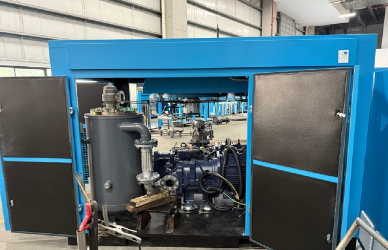
While regular maintenance and basic troubleshooting can resolve many common vacuum pump issues, there are situations where professional help is necessary. Identifying signs of persistent problems or issues beyond simple fixes is crucial to ensure your pump operates efficiently and to prevent long-term damage. Here's when to seek professional help:
If you notice ongoing issues that don't resolve with routine maintenance or minor adjustments, it's time to seek professional assistance. Common signs include:
Continual loss of vacuum pressure: If vacuum pressure continues to drop despite checking for leaks and replacing seals, this could indicate deeper internal issues like damaged components or a malfunctioning valve.
Excessive noise or vibration: Unusual sounds or vibrations that don’t improve after lubrication, cleaning, or alignment suggest possible misalignment, damaged bearings, or other mechanical problems that need expert attention.
Overheating: If the pump continues to overheat even after ensuring proper ventilation and adjusting load settings, there may be internal wear or electrical issues that require professional diagnosis.
Some problems require specialized knowledge and tools to fix. If your vacuum pump is exhibiting symptoms like:
Oil contamination or leakage that can’t be corrected by oil changes or seal replacements.
Irregular performance that could be due to issues with internal parts such as rotors, pistons, or motor malfunctions.
Electrical or control system failures, which might involve complex electronic systems, sensors, or wiring.
In these cases, professionals have the expertise to diagnose and repair problems that go beyond standard troubleshooting.
Vacuum pumps are sophisticated machines that require precise handling. Seeking professional servicing is important for:
Preventing further damage: Professionals can identify early-stage issues before they become serious, saving you from costly repairs down the road.
Extending the pump's lifespan: Regular servicing ensures that your vacuum pump continues to perform at its best, avoiding premature wear and tear.
Optimizing performance: Experts can calibrate and fine-tune the pump for maximum efficiency, improving operational reliability and energy savings.
A1: Regular maintenance is essential for optimal performance. Generally, vacuum pumps should be checked every 3-6 months, with more frequent checks for high-use environments. Regularly replace oil, check for leaks, and clean filters to ensure smooth operation.
A2: If you notice persistent issues such as a constant drop in vacuum pressure, unusual noises, vibrations, or if the pump is overheating despite your efforts to fix the issue, it may be time to seek professional help for a thorough inspection and repair.
A3: It's not advisable. Low vacuum pressure can lead to inefficient operation and may cause further damage if left unresolved. It's important to identify the cause, such as leaks or worn seals, and address it promptly to avoid damage and downtime.
A4: Ensure that the pump has adequate ventilation and that it is not overburdened. Check the pump’s cooling system regularly, and make sure it's not operating beyond its designed capacity to prevent overheating.
Addressing common vacuum pump issues promptly is crucial for maintaining optimal performance and avoiding costly downtime. Problems like loss of vacuum pressure, overheating, excessive noise, and oil contamination can all affect the efficiency and lifespan of your pump if left unresolved. Regular maintenance, such as routine inspections, oil checks, and alignment adjustments, plays a key role in ensuring that your vacuum pump operates at its best. By staying proactive with maintenance, you can not only prevent unexpected failures but also extend the life of your equipment, reduce repair costs, and improve overall productivity. Taking these steps will ensure that your vacuum pump continues to provide reliable and efficient service for years to come.


