
- Home
- Products
- Hot
- About Us
- Services
- Industry
- Contact
Views: 0 Author: Site Editor Publish Time: 2026-01-24 Origin: Site


Are you curious about high-pressure air compressors? Understanding PSI ratings is crucial for selecting the right compressor for your needs. In this article, we will explore what makes a compressor high PSI and identify the highest PSI air compressors available today. You’ll learn about their applications, advantages, and how to choose the best one for your requirements.
PSI stands for Pounds per Square Inch. It is a unit of pressure used to measure the force exerted by air in a given area. Understanding PSI is essential when selecting a high pressure air compressor, as it directly influences performance and suitability for various applications.
When we talk about PSI in compressors, we refer to the pressure at which the air is delivered. For example, a compressor rated at 100 PSI can deliver air at that pressure, which is suitable for many industrial and commercial applications. Higher PSI ratings mean more power and efficiency, but they also require more robust equipment.
PSI plays a crucial role in determining the performance of a compressor. A higher PSI typically indicates a compressor that can handle more demanding tasks. For instance, in industries like automotive and manufacturing, where tools require consistent and high-pressure air, knowing the PSI rating helps ensure the right compressor is chosen.
The impact of PSI on application suitability cannot be overstated. Different tasks require different pressure levels. Here’s a quick breakdown of common applications and their typical PSI requirements:
Application | Typical PSI Range |
Inflating tires | 30 - 40 PSI |
Powering pneumatic tools | 90 - 120 PSI |
Industrial machinery | 100 - 150 PSI |
SCUBA diving tanks | 3,000 PSI |
Laser cutting | ~232 PSI |
As shown in the table, the required PSI varies significantly based on the application. For example, SCUBA tanks require much higher pressures compared to inflating tires. Understanding these differences helps users select the right high pressure air compressor for their specific needs.
In summary, PSI is a fundamental aspect of air compressors that influences their performance and application suitability. Knowing how to interpret PSI ratings ensures you choose the right compressor for any task.
Reciprocating compressors, also known as piston compressors, use a piston to compress air. The process involves drawing air into a cylinder, where the piston compresses it before releasing it into a storage tank. This mechanism allows for high-pressure output, making it ideal for various applications.
Typical PSI ratings for reciprocating compressors range from 90 to 175 PSI. They are commonly used in workshops, automotive repair shops, and small manufacturing facilities. These compressors are favored for their ability to deliver consistent pressure and are often more affordable compared to other types.
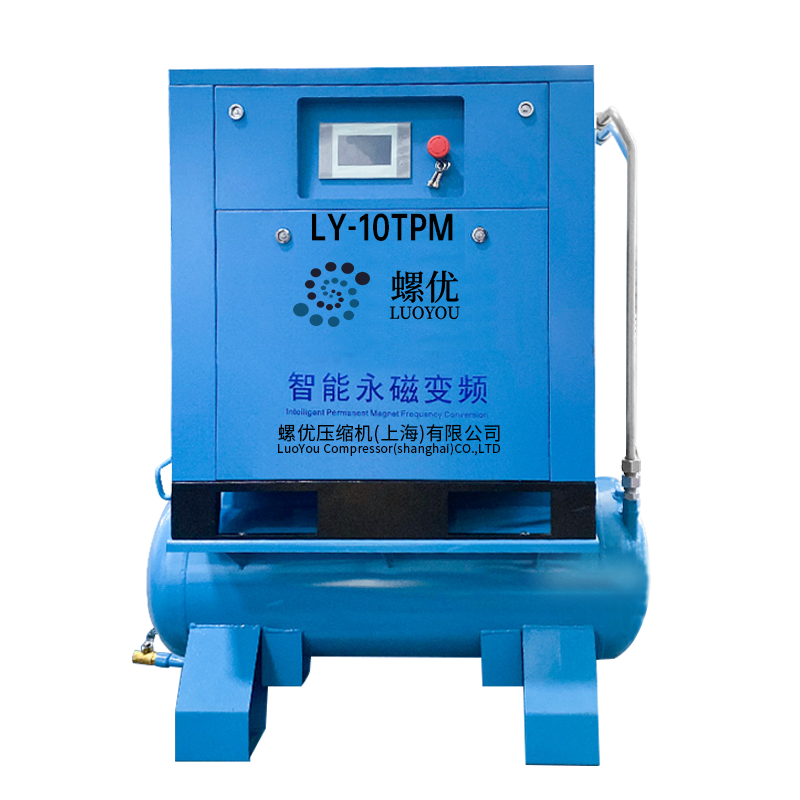
Rotary screw compressors operate differently from reciprocating models. They utilize two interlocking screws to compress air continuously. This design allows for a steady flow of compressed air, making it efficient for high-demand applications.
Common PSI ranges for rotary screw compressors vary from 100 to 200 PSI, depending on the model. They are widely used in industrial settings, such as manufacturing plants and large workshops, where a constant supply of compressed air is necessary. The efficiency and durability of rotary screw compressors make them a popular choice for continuous use.
Multi-stage compressors take the compression process a step further. They use multiple cylinders to compress air in stages, gradually increasing the pressure. This method enhances efficiency and allows for higher PSI ratings, making them suitable for demanding applications.
The benefits of multi-stage compressors include reduced heat generation and improved energy efficiency. Typical PSI ratings can exceed 200 PSI, making them ideal for industries requiring high-pressure air, such as oil and gas, and heavy manufacturing.
Here’s a summary of the different types of high-pressure air compressors and their typical applications:
Compressor Type | Typical PSI Range | Common Applications |
Reciprocating Compressors | 90 - 175 PSI | Workshops, automotive repair |
Rotary Screw Compressors | 100 - 200 PSI | Manufacturing, large workshops |
Multi-Stage Compressors | 200+ PSI | Oil and gas, heavy manufacturing |
Each type of compressor has its unique advantages and applications. Understanding these differences helps in selecting the right high pressure air compressor for your specific needs.
High-pressure air compressors are essential in various industries, providing the necessary power for demanding applications. Generally, industrial compressors operate within a PSI range of 2,000 to 7,000 PSI. These compressors are designed for heavy-duty tasks like powering pneumatic tools, sandblasting, and more.
In specialized applications, some systems exceed 15,000 PSI. These ultra-high-pressure compressors are often used in niche markets, such as aerospace or oil extraction. Their ability to deliver extreme pressure makes them invaluable for specific industrial processes.
One notable manufacturer in the high-pressure air compressor market is Luoyou Compressor. Their laser cutting-specific air compressors are designed to meet the unique demands of this application. For instance, the LY-20JTA/JTPM and LY-50JTTV models provide a maximum pressure of approximately 232 PSI (16 Bar).
These compressors ensure clean cuts and stable operation, which are crucial for precision work. Below is a comparison of Luoyou's models with other high PSI offerings from different manufacturers:
Model | Maximum PSI | Application | Manufacturer |
LY-20JTA/JTPM | ~232 PSI | Laser cutting | Luoyou Compressor |
LY-50JTTV | ~232 PSI | Laser cutting | Luoyou Compressor |
This table highlights the capabilities of Luoyou's compressors alongside other high-pressure models in the market. Each model serves different applications, showcasing the diversity of high-pressure air compressors available today.
Understanding these options helps users select the right high pressure air compressor tailored to their specific needs, ensuring optimal performance and efficiency.
High-pressure air compressors play a vital role in various industrial applications. For instance, they are essential in valve testing, where precise pressure is required to ensure the integrity of valves. Blow molding processes also rely on compressed air to shape materials effectively. Additionally, these compressors are crucial for engine starting systems in aviation and automotive industries, providing the necessary pressure to crank engines under challenging conditions.
The importance of high PSI in manufacturing processes cannot be overstated. It enhances efficiency and productivity, allowing machines to operate at optimal performance. Here’s a quick look at some key industrial applications:
Application | Typical PSI Range | Description |
Valve Testing | 100 - 200 PSI | Ensures valve integrity under pressure |
Blow Molding | 80 - 120 PSI | Shapes materials using compressed air |
Engine Starting | 90 - 150 PSI | Powers engine cranking systems |
High-pressure air compressors are also critical in breathing air applications. SCUBA diving tanks, for example, require air to be compressed to high pressures to store sufficient oxygen for divers. Similarly, firefighter breathing apparatus relies on high PSI to deliver breathable air in hazardous environments.
Safety and efficiency are paramount in these applications. The pressure requirements must be strictly adhered to, ensuring that users have access to clean, breathable air under varying conditions. Below are some essential pressure requirements for breathing air systems:
Application | Required PSI | Notes |
SCUBA Diving Tanks | 3,000 PSI | Allows for extended underwater duration |
Firefighter Apparatus | 4,500 PSI | Provides air supply during emergencies |
High-pressure air compressors also find use in specialized applications across various industries. Hyper-pressure systems, for example, are used in niche sectors like aerospace and automotive. These systems require precise control and high PSI to ensure safety and efficiency.
Industries benefiting from high-pressure air compressors include:
● Aerospace: Used for testing and manufacturing components.
● Automotive: Essential for assembly lines and vehicle testing.
● Oil and Gas: Required for drilling and extraction processes.
These specialized applications highlight the versatility and importance of high-pressure air compressors in modern industry. By understanding their applications, businesses can select the right compressor to meet their unique needs.
High-pressure air compressors offer significant benefits in terms of operational efficiency and overall performance. The high PSI ratings allow these compressors to deliver powerful airflow, which is crucial for demanding applications. For example, in industrial settings, high PSI can enhance the speed and effectiveness of machinery, leading to faster production times.
In tasks such as sandblasting or powering pneumatic tools, the efficiency gained from high-pressure systems translates into improved performance. This means less downtime and a more productive work environment. Here’s a brief overview of how high PSI impacts efficiency:
Benefit | Description |
Increased Airflow | Higher PSI results in greater airflow rates |
Enhanced Tool Performance | Tools operate more effectively under high pressure |
Reduced Cycle Times | Shorter operational cycles lead to higher productivity |
Investing in high-pressure air compressors can lead to long-term savings for businesses. While the initial cost may be higher, the efficiency of these systems often results in reduced operational costs over time. High-pressure compressors minimize the need for additional equipment, such as pressure boosters, which can further cut expenses.
Consider the following aspects of cost-effectiveness:
● Lower Energy Consumption: High PSI systems often operate more efficiently, leading to lower energy bills.
● Fewer Equipment Needs: By providing sufficient pressure for various applications, businesses can avoid purchasing multiple compressors or boosters.
● Maintenance Savings: High-quality high-pressure compressors typically require less maintenance, reducing overall upkeep costs.
Here’s a quick comparison of costs associated with high-pressure versus standard pressure systems:
System Type | Initial Cost | Long-term Savings | Additional Equipment Needed |
High-Pressure Compressor | Higher | Yes | Minimal |
Standard Pressure Compressor | Lower | Limited | Often required |
These advantages demonstrate how high-pressure air compressors can enhance operational efficiency while providing significant cost savings over time. By understanding these benefits, businesses can make informed decisions about their air compression needs.
Quality certifications are crucial for high-pressure air compressors, ensuring they meet industry standards for safety, efficiency, and reliability. Certifications like CE and ISO 9001 signal to customers that a manufacturer adheres to rigorous quality management practices. These certifications not only enhance product credibility but also ensure compliance with regulatory requirements, which is essential in various applications.
For instance, the CE marking indicates conformity with health and safety standards in the European market. Similarly, ISO 9001 is a globally recognized standard for quality management systems, demonstrating a commitment to continuous improvement and customer satisfaction.
Several key certifications are relevant for high-pressure air compressors:
● CE Marking: Ensures compliance with European safety and environmental standards.
● ISO 9001: Focuses on quality management systems, emphasizing customer satisfaction and process improvement.
● TUV SUD Certification: Indicates that products meet stringent quality and safety standards, particularly for oil-free air compressors.
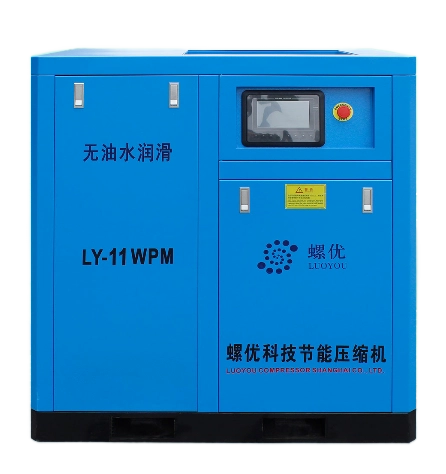
Luoyou Compressor stands out in this regard. The company adheres to international standards, ensuring their products are reliable and safe for use. Their commitment to quality is reflected in their certifications, which include:
Certification Type | Description |
CE Marking | Conforms to European health and safety standards |
ISO 9001 | Quality management system compliance |
TUV SUD Certification | Safety and quality assurance for oil-free compressors |
Furthermore, Luoyou's Quality Management System complies with GB/T19001-2016/ISO9001:2015, reinforcing their dedication to maintaining high standards in production. This commitment not only enhances product quality but also builds trust among customers seeking high-pressure air compressors for demanding applications.
By prioritizing quality certifications, manufacturers like Luoyou Compressor ensure their products meet the highest standards, providing peace of mind to users in various industries.
Understanding PSI in air compressors is crucial for effective performance. High-pressure air compressors play a vital role in various industries. They enhance efficiency and ensure safety in demanding applications. When selecting the right compressor, consider the specific needs of your tasks. Evaluating certifications and compliance can guide your choice. Ultimately, the right high-pressure air compressor can significantly improve productivity and operational success.
A: The highest PSI air compressors can exceed 15,000 PSI, used in specialized applications like aerospace.
A: If your applications require intense power, such as sandblasting or valve testing, a high-pressure air compressor is essential.
A: Risks include equipment failure, safety hazards from leaks, and potential injuries if not handled properly.
A: Yes, but they are typically suited for industrial tasks; home applications may require lower PSI models.


