
- Home
- Products
- Hot
- About Us
- Services
- Industry
- Contact
Views: 0 Author: Site Editor Publish Time: 2025-10-24 Origin: Site


Two-stage screw air compressors are known for their efficiency. But what makes them more effective than single-stage compressors?
In this article, we’ll dive into how a two-stage screw air compressor works. You’ll learn how it achieves higher air pressure, its key components, and its advantages over other types.By the end, you’ll understand why these compressors are perfect for industries that demand consistent, high-pressure air for optimal performance.
The first stage of compression in a two-stage screw air compressor begins when air is drawn into the system through a large piston. This piston compresses the air to a moderate pressure, typically around 90-100 PSI, during the first stroke. The low-pressure air is then sent through an intake valve, where it enters the first compression chamber.
At this stage, the air is compressed but not yet at the pressure level needed for heavy-duty industrial applications. After this initial compression, the air moves through an intercooler. The intercooler helps to cool the air down, which is important for the efficiency of the system. If the air is not cooled before the second compression stage, it could lead to overheating and reduced performance of the compressor.
The intercooling system is a crucial component in a two-stage screw air compressor. After the first stage of compression, the air is often quite hot. The intercooler cools the air by reducing its temperature and helps remove moisture that may have accumulated during the initial compression phase. This cooling process prevents the compressor from overheating and ensures that the second stage of compression is more efficient.
Intercooling contributes to the overall efficiency of the system by lowering the amount of energy needed to compress the air in the second stage. In addition, it also prevents damage to the internal components of the compressor, extending its lifespan and reducing the need for repairs. The temperature control provided by the intercooler is essential for keeping the compressor running smoothly during continuous operation.
In the second stage, the cooled air enters a smaller piston, which is responsible for compressing the air further. This piston works to compress the air to a higher pressure, typically around 175 PSI or more. The dual compression process enables the compressor to generate the higher air pressures needed for heavy-duty applications, making the two-stage compressor suitable for industries that require consistent high pressure.
The second compression stage is essential because it ensures that the compressor can maintain consistent pressure over a longer period, providing steady air flow to power tools and machinery. The two-stage compression process significantly improves the compressor's overall performance, providing better air quality and reliability than single-stage compressors.
Once the air has been compressed in both stages, it is stored in a tank for later use. The storage tank ensures that the compressed air is available when needed for industrial applications. It acts as a reservoir, maintaining consistent pressure and making the air available on-demand for various tools and machinery.
The storage of compressed air also helps in energy conservation. Since the compressor doesn't need to run continuously, it can cycle on and off as required, which saves energy while still ensuring a constant supply of high-pressure air. The ability to store compressed air is one of the key advantages of a two-stage compressor, providing flexibility in operations and helping businesses avoid energy wastage.
A two-stage screw air compressor utilizes two interlocking rotary screws that are responsible for compressing the air. These screws, one male and one female, work in tandem to create compression by trapping and compressing the air between them. As the male and female rotors rotate in opposite directions, the space between them decreases, pushing the air forward.
The design of the rotary screws ensures continuous, smooth compression, which is vital for maintaining consistent pressure. This design helps prevent disruptions or fluctuations in the air supply, which can affect the performance of tools and machinery powered by compressed air. The interaction between the screws enables the compressor to provide a reliable and steady flow of air, minimizing the risk of pressure loss and inefficiency.
In a two-stage screw air compressor, the pistons used in each stage of compression differ in size and function. The first piston, which is larger, handles the initial compression of the air to a moderate pressure. The second piston, which is smaller, takes the compressed air from the first stage and compresses it further to a higher pressure.
The size and function of the pistons are crucial for ensuring the efficiency of the compression process. The pistons must work together in a precise and coordinated manner to compress the air effectively. By using pistons of different sizes, the compressor can optimize the compression stages, reducing energy waste and improving overall performance.
The cooling system, including the intercooler, is an essential part of a two-stage screw air compressor. The intercooler is designed to cool the air between the two compression stages, which is necessary for maintaining the efficiency of the system. Cooling the air prevents overheating and ensures that the compressor operates smoothly, even under heavy loads.
Without an efficient cooling system, the compressor would be at risk of overheating, which could lead to equipment failure or reduced performance. By maintaining optimal temperatures, the cooling system ensures that the compressor remains reliable and efficient over time, reducing the need for repairs and extending the lifespan of the equipment.
Component | Description |
Rotary Screws | Male and female rotors work together to trap and compress air. |
Pistons and Cylinders | Large piston for first stage compression; smaller piston for second stage compression. |
Cooling System and Intercooler | Cools the air between stages, preventing overheating and ensuring efficiency. |
Two-stage screw air compressors offer significant improvements in efficiency over single-stage compressors. By compressing the air in two stages, the compressor is able to achieve higher pressure with less energy consumption. The intercooling process between stages further enhances energy efficiency by reducing the amount of heat generated, which would otherwise require additional energy to cool down.
The improved efficiency leads to lower energy costs over time, making two-stage compressors a cost-effective solution for industries that require continuous high-pressure air. The savings in energy costs can offset the higher initial investment required for two-stage compressors, making them an excellent long-term investment.
One of the standout features of a two-stage screw air compressor is its ability to reach higher air pressures. The two-stage compression process allows the compressor to generate pressures up to 175 PSI or more, making it suitable for heavy-duty industrial applications that demand consistent and reliable high-pressure air.
In comparison to single-stage compressors, which typically provide pressure up to 120 PSI, two-stage compressors offer greater versatility and are ideal for applications that require sustained high pressure over long periods.
Due to the two-stage compression process and the intercooling system, two-stage screw air compressors generate significantly less heat compared to single-stage compressors. This reduced heat generation helps prevent overheating, which can lead to component wear and reduced performance.
The ability to operate at lower temperatures extends the lifespan of the compressor, reducing the frequency of maintenance and repairs. The system's enhanced durability makes it an ideal choice for industries where reliability is paramount.
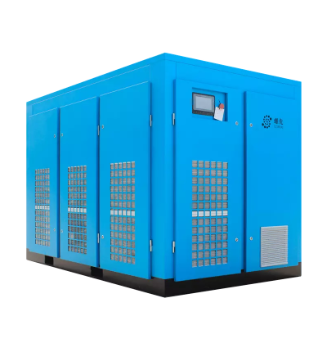
In industrial manufacturing environments, two-stage screw air compressors power a wide range of pneumatic tools and machinery. From assembly lines to material handling, these compressors provide the high-pressure air needed to maintain productivity and efficiency in large-scale operations. The consistent air supply provided by two-stage compressors ensures that tools and machinery operate smoothly, minimizing downtime and optimizing workflow.
The automotive and aerospace industries rely heavily on two-stage screw compressors for a variety of tasks, including assembly, maintenance, and finishing. These compressors power equipment used for tasks such as precision painting, sanding, and component assembly, ensuring that parts are made to exact specifications.
In the automotive industry, two-stage compressors are used to power tools for assembly lines, as well as to provide consistent air pressure for tasks like tire inflation and spraying. In aerospace, they are used for precision machining and the assembly of aircraft and military vehicles.
In the food and beverage industry, two-stage compressors are used for processes such as bottling, packaging, and processing. The compressors ensure that the production lines run smoothly by providing consistent, high-pressure air for various tasks. Whether it's filling bottles, sealing containers, or powering mixers, two-stage compressors are essential for maintaining efficiency in food and beverage manufacturing.
Feature | Single-Stage Compressor | Two-Stage Compressor |
Compression Stages | One | Two |
Maximum Pressure | Up to 120 PSI | Up to 175 PSI or more |
Efficiency | Moderate, for intermittent use | High, supports continuous tasks |
Heat Generation | Generates more heat | Generates less heat, uses intercooling |
Ideal Use | Small projects, DIY, home use | Industrial manufacturing, food processing, large-scale operations |
Maintenance | Simple, easy to maintain | More complex, but lower long-term costs |
Initial Cost | Lower | Higher |
When deciding between a single-stage and a two-stage compressor, it's important to consider the pressure and volume requirements of your specific application. If your tools or machinery require air pressures of 100 PSI or lower, a single-stage compressor may suffice. However, for applications requiring higher pressures or continuous operation, a two-stage compressor is the better choice.
Although the initial cost of a two-stage compressor is higher than that of a single-stage model, the long-term savings in energy and maintenance costs make it a more economical option for industrial applications. The efficiency of two-stage compressors reduces energy consumption, helping to lower operational costs over time.
Two-stage screw air compressors are larger and heavier than single-stage compressors, making them less portable. However, they are designed for stationary setups in industrial environments where space is available. Single-stage compressors, on the other hand, are more compact and portable, making them ideal for smaller, mobile operations.
Regular maintenance is essential to keep a two-stage screw air compressor running efficiently. Key tasks include checking and changing the oil, inspecting the filters, and maintaining the belts. Proper maintenance helps extend the lifespan of the compressor and reduces the likelihood of breakdowns.
Common issues with two-stage compressors include pressure drops, overheating, and air leaks. If you notice a loss in pressure or a rise in temperature, it's important to inspect the system for potential leaks or damaged components. Timely troubleshooting and repairs can prevent major breakdowns and costly repairs.
A two-stage screw air compressor offers numerous advantages, including improved efficiency, increased pressure capacity, and enhanced durability. By compressing air in two stages, it provides a reliable source of high-pressure air ideal for various industrial uses. Reduced heat generation and energy savings make it a cost-effective choice for businesses with high-pressure needs.If your operations require continuous high-pressure air, a two-stage screw air compressor is the best solution. Although the initial investment may be higher, the long-term savings in energy and maintenance costs make it a valuable asset for industries that demand reliability and efficiency.
Luoyou offers advanced solutions with their high-performance two-stage screw air compressors. These compressors are designed to meet the rigorous demands of industries needing consistent high pressure. With superior energy efficiency and longer lifespan, Luoyou's products provide great value, ensuring reliable and cost-effective operations for their customers.
A: A two-stage screw air compressor compresses air in two stages for higher efficiency and pressure. It provides more reliable and consistent high-pressure air for industrial applications.
A: The compressor first compresses air to moderate pressure in the first stage, cools it, and then compresses it further in the second stage for higher pressure, making it ideal for heavy-duty applications.
A: A two-stage screw air compressor offers higher energy efficiency, increased pressure capability, reduced heat generation, and longer lifespan, making it a great choice for industries needing continuous high-pressure air.
A: Choose a two-stage screw air compressor when your application requires sustained high-pressure air and efficiency for large-scale, industrial tasks that demand continuous operation.
A: Two-stage screw air compressors typically cost more upfront compared to single-stage compressors but offer long-term savings in energy and maintenance costs, making them a worthwhile investment for industrial use.


