
- Home
- Products
- Hot
- About Us
- Services
- Industry
- Contact
Views: 222 Author: Site Editor Publish Time: 2025-11-22 Origin: Site


Top Features to Look for in the Best Oil-Free Air Compressors
Common Issues with Oil-Free Air Compressors and How to Fix Them
When it comes to air compressors, choosing the right type for your needs can be a daunting task. Among the various options, oil-free air compressors have gained significant popularity due to their clean, maintenance-free operation. Unlike traditional oil-lubricated models, oil-free compressors use advanced technologies to reduce friction and operate without the need for oil, making them a convenient and cost-effective choice for many users. Whether you’re a homeowner looking for a quiet, portable solution or a professional requiring reliable, continuous air supply, selecting the best oil-free air compressor can elevate your productivity while saving time and money on maintenance.
In this article, we will explore the top oil-free air compressors available in the market, identify the key features that set them apart, and help you choose the ideal model based on your specific needs. Let’s dive in and explore why these compressors are becoming the preferred option in various applications.
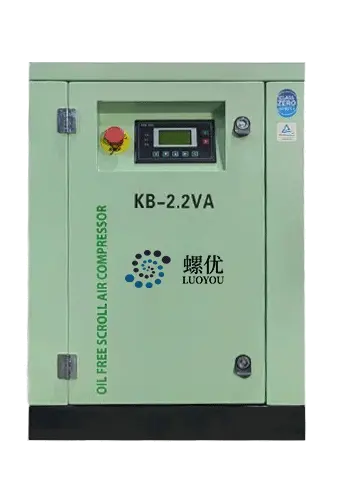
Oil-free air compressors offer a variety of benefits that make them an attractive choice for many users. While oil-lubricated compressors have their own advantages, the oil-free variety comes with distinct features that set it apart, especially when it comes to maintenance and portability.
One of the main reasons people opt for oil-free air compressors is the clean air they provide. In applications where air quality is crucial—such as in food production, medical equipment, or sensitive electronics—oil contamination can be a significant problem. With no oil involved, oil-free compressors ensure that the air remains clean and free of contaminants, making them the best option for such industries.
Oil-free air compressors are easier to maintain than their oil-lubricated counterparts. Without the need for regular oil changes, you can significantly reduce maintenance costs. This feature is especially beneficial for those who do not have the expertise or time to maintain oil-lubricated models.
Many oil-free compressors are designed to be lighter and more compact, making them easier to transport and store. This makes them an ideal choice for small workshops, home use, or situations where portability is a key consideration. Whether you're inflating tires, powering tools, or cleaning hard-to-reach spaces, the ease of movement and setup makes them user-friendly.
When selecting the best oil-free air compressor for your needs, certain features should be at the top of your list. These features not only determine the compressor's performance but also its overall reliability and lifespan.
The air delivery capability of an air compressor is typically measured in Cubic Feet per Minute (CFM). It’s important to match the CFM of the compressor to the tools or tasks you plan to use it for. If the compressor doesn’t deliver enough airflow, you may experience reduced performance or slower operation.
The pressure of the air compressor is measured in Pounds per Square Inch (PSI). The PSI rating indicates how much pressure the compressor can generate. Different applications require different PSI levels—lower PSI models are sufficient for tasks like inflating tires, while higher PSI models are needed for more demanding applications like painting or powering air tools.
Noise can be a major concern, especially if you plan to use the air compressor in a residential setting. Many oil-free air compressors are quieter than their oil-lubricated counterparts, thanks to advanced engineering and design. Always check the decibel rating (dB) to ensure the compressor is suitable for your environment.
Look for a compressor that’s made of durable, high-quality materials. A well-built oil-free air compressor should be able to withstand frequent use and be resistant to wear and tear. Aluminum or high-quality plastic housing is typically used to ensure durability while keeping the weight manageable.
If you need to move the compressor frequently, check for features like built-in handles, wheels, or compact design. A portable compressor can save you time and effort when you need to take it to different locations.
For home use, the best oil-free air compressor should be compact, quiet, and capable of handling basic tasks such as inflating tires, powering small pneumatic tools, and cleaning surfaces. The California Air Tools 10020C stands out as a top contender.
| Feature | California Air Tools 10020C |
|---|---|
| CFM @ 90 PSI | 5.30 |
| PSI | 125 |
| Noise Level | 70 dB |
| Weight | 46 lbs |
| Tank Capacity | 2.0 Gallons |
This model is known for its quiet operation, making it ideal for indoor use. It features a reliable motor and a solid construction that ensures long-lasting performance. Additionally, it is very easy to transport thanks to its relatively lightweight design.
When you need a high-performance air compressor for professional or industrial tasks, you should look for a unit that offers higher PSI, longer run time, and the ability to handle demanding tasks like powering air tools or inflating large tires. The DEWALT DWFP55126 is a perfect choice for such applications.
| Feature | DEWALT DWFP55126 |
|---|---|
| CFM @ 90 PSI | 2.6 |
| PSI | 165 |
| Noise Level | 75.5 dB |
| Weight | 30 lbs |
| Tank Capacity | 6.0 Gallons |
With a high PSI rating, the DEWALT DWFP55126 is versatile and powerful enough to handle a variety of professional tasks. It's also relatively lightweight, making it easy to move around a job site.
If you need a compressor that is not only oil-free but also compact and easy to store, the Makita MAC2400 is an excellent option. It provides a good balance between performance and portability.
| Feature | Makita MAC2400 |
|---|---|
| CFM @ 90 PSI | 4.2 |
| PSI | 130 |
| Noise Level | 79 dB |
| Weight | 77 lbs |
| Tank Capacity | 4.2 Gallons |
Although slightly heavier than the others, the Makita MAC2400 is still considered compact and provides superior durability and consistent performance. It’s ideal for those who need a reliable air compressor that won’t take up too much space.
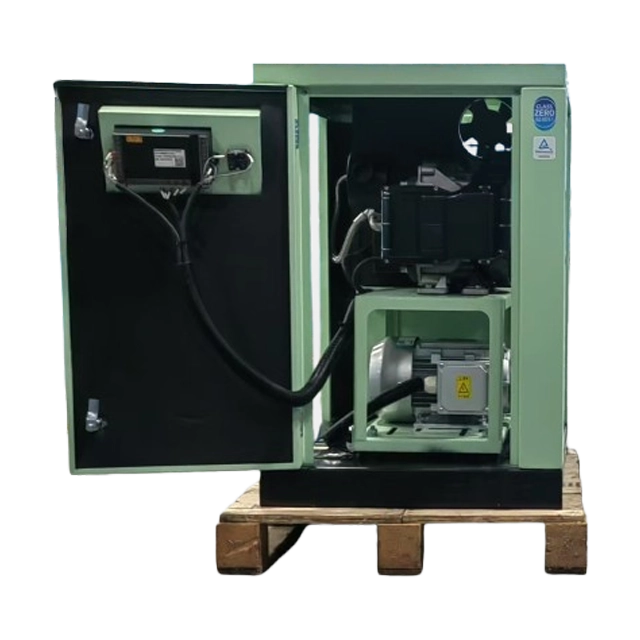
While oil-free air compressors have their drawbacks—such as potentially shorter lifespan compared to oil-lubricated models—there are several advantages that make them a preferred choice for many:
No Oil Changes: Oil-free compressors eliminate the hassle and cost associated with oil changes, making them more convenient for everyday use.
Lower Maintenance Costs: With fewer parts to maintain and clean, the long-term costs of maintaining an oil-free compressor are lower.
Cleaner Air: No oil means no risk of oil contamination, making oil-free compressors the best option for sensitive applications where clean, dry air is essential.
Quiet Operation: Many oil-free compressors are designed with noise-reduction technology, offering a quieter operating environment.
While oil-free compressors require less maintenance than oil-lubricated models, they still need care to ensure optimal performance. Here are a few maintenance tips:
Drain the Tank Regularly: Moisture can accumulate in the tank over time, especially if you live in a humid area. Make sure to drain the tank after each use.
Check the Filter: Clean or replace the air filter periodically to ensure good airflow and prevent dirt and debris from damaging the compressor.
Inspect the Hose and Connections: Check for wear and tear on the hose and connections. Replace any parts that show signs of damage.
Loss of Air Pressure: If your compressor isn’t reaching the desired PSI, check for leaks in the tank, hose, or connections. Tightening or replacing damaged parts should fix this issue.
Compressor Won’t Start: A tripped circuit breaker or a faulty power source can prevent the compressor from starting. Make sure the power supply is functioning correctly.
Excessive Noise: If the compressor becomes louder than usual, it might indicate a mechanical issue. Inspect the motor and fan for any signs of damage.
Choosing the best oil-free air compressor depends on your specific needs, whether it’s for home use, professional tasks, or portability. Oil-free compressors are an excellent choice for their ease of maintenance, clean air delivery, and lower operating costs. By understanding the key features and selecting a model that fits your requirements, you can enjoy reliable, long-lasting performance.
Oil-free compressors typically last between 5 to 10 years, depending on usage and maintenance. While they may not last as long as oil-lubricated models, they are still a durable option.
Yes, many oil-free compressors are capable of handling heavy-duty tasks. However, for high-demand professional work, you may want to choose a model with a higher PSI and CFM rating.
Generally, oil-free compressors can be more expensive upfront, but they tend to save money in the long run due to lower maintenance costs and no need for oil changes.
Not necessarily. Many oil-free compressors are engineered to operate at lower noise levels, making them quieter than traditional oil-lubricated compressors.


