
- Home
- Products
- Hot
- About Us
- Services
- Industry
- Contact
Views: 0 Author: Site Editor Publish Time: 2026-08-19 Origin: Site


A screw air compressor overheating means unexpected downtime. It interrupts production lines and stalls revenue. This event also poses a severe risk to internal air-ends. The damage can become catastrophic quickly.
Overheating is rarely a random glitch. It points to a measurable mechanical or environmental failure. This failure triggers the machine's automated safety shutdowns. These protective features engage to prevent catastrophic rotor damage. You must identify the underlying trigger promptly. Ignoring the warning signs only amplifies the repair costs.
This guide provides a systematic diagnostic framework. We will help you identify the root cause accurately. You will learn how to determine if in-house intervention remains safe. We also outline the criteria for escalating the problem. You will know exactly when to call for professional service or consider equipment replacement.
Automated thermal shutdowns create immediate financial strain. They halt entire manufacturing floors instantly. Lost manufacturing time translates directly into missed delivery deadlines. Labor bottlenecks form while technicians scramble to diagnose the issue. Operators discard scrapped materials ruined by sudden pressure drops. Every minute of downtime compounds these financial losses significantly.
Operating near the thermal limit physically degrades the machine. Extreme heat accelerates oil breakdown exponentially. This process leaves thick varnish buildup across internal surfaces. Varnish restricts fluid flow and reduces cooling efficiency. High temperatures also compromise tight bearing tolerances. The metal components expand beyond their engineered limits. These warped components rub together. They ultimately destroy the air-end if left unchecked.
A high discharge temperature warning acts as a crucial protective feature. It is not a manufacturing defect. The system monitors internal heat constantly. It cuts power to save the mechanical components. Some operators attempt to bypass these thermal sensors. They do this to maintain production schedules. This reckless action introduces severe safety risks. It can easily spark a facility fire or cause an explosion.
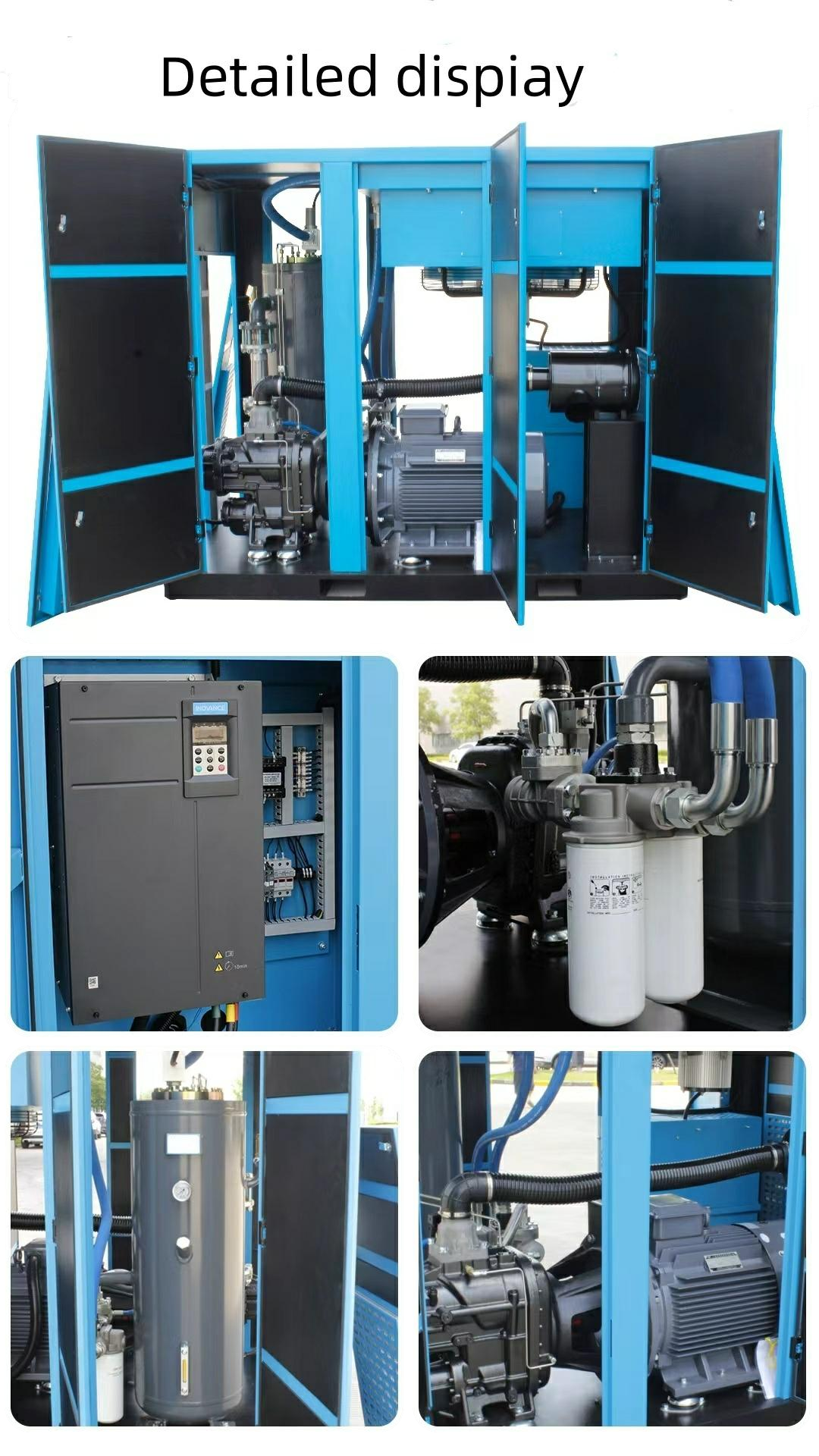
Effective air compressor troubleshooting requires a structured approach. You must evaluate four primary failure points systematically. We list these root causes below.
Compressor room design directly impacts operating temperatures. Many facilities suffer from insufficient make-up air. They lock compressors inside tight closets. Undersized exhaust ducting traps hot air indoors. Seasonal summer heat spikes exacerbate this problem further. The equipment breathes its own exhausted heat. This recirculation cycle guarantees an eventual shutdown.
You need an evidence-based check to confirm this issue. Measure the temperature delta between the room and the compressor intake. Use a digital thermometer. Place one probe near the room entrance. Place the second probe right at the air filter intake. A difference exceeding ten degrees Fahrenheit indicates severe ventilation restriction.
Oil performs a dual role in rotary screw compressors. It provides a tight mechanical seal between the rotors. It also acts as the primary cooling medium. Without adequate fluid, friction generates uncontrollable heat.
Diagnostic steps begin with a proper oil level check. Ensure the machine rests offline and depressurized. Read the sight glass clearly. Look closely at the fluid color. Identify oxidized or varnished oil. Dark, sludgy fluid cannot transfer heat effectively. You must also verify the correct viscosity for the operating environment. Thin oil fails to seal the rotors properly.
Airborne contaminants destroy cooling efficiency rapidly. Dust, pollen, and manufacturing byproducts float through the facility. The cooling fan pulls these particles directly into the machine. They coat the aluminum cooler fins thickly. This debris layer insulates the heat exchanger. It prevents hot fluid from shedding thermal energy.
Implementation realities separate quick fixes from actual repairs. A simple surface blow-off removes loose dust only. Compressed air cannot dislodge baked-on grime. A heavily fouled cooler requires a chemical deep-clean. Technicians must remove the unit entirely. They soak it in specialized degreasers to restore factory airflow.
Mechanical component failures remain a frequent culprit. A stuck thermal bypass valve prevents oil from reaching the cooler. The fluid continuously loops back into the air-end. It gains more heat with every pass. A failing cooling fan motor produces similar results. The fan may spin slowly or stop completely.
Establish a diagnostic baseline using modern tools. Employ thermal imaging cameras or infrared thermometers. Map the temperature drops across the entire oil circuit. Measure the pipe entering the cooler. Measure the pipe exiting the cooler. A lack of temperature change proves a mechanical flow issue.
Internal maintenance teams can handle specific low-risk tasks safely. Routine fluid top-offs fall under this category. Teams can clean exterior cooler fins using low-pressure air. They can replace standard air filters on schedule. Improving room ventilation often involves simple facility adjustments. Propping a door open temporarily serves as a quick diagnostic test. These basic actions resolve many common thermal warnings.
Certain situations demand professional intervention immediately. Coolant system flushing requires specialized waste disposal procedures. Replacing thermal valves involves disassembling pressurized components. Recalibrating PLC sensors requires proprietary software tools. Suspected air-end damage always requires a trained eye. You must escalate these tasks to certified technicians. Attempting them internally invites disaster.
Improper DIY repairs carry significant financial risks. They frequently void expensive manufacturer warranties. Using unapproved aftermarket fluids damages internal seals permanently. Bypassing OEM safety switches violates basic compliance regulations. Insurance companies often deny claims if they discover bypassed sensors. Protect your capital investment by adhering strictly to factory guidelines. Leave complex tear-downs to the professionals.
Fluid Strategy Comparison Matrix
| Fluid Type | Thermal Breakdown Resistance | Typical Lifespan | Varnish Risk |
|---|---|---|---|
| Standard Mineral Oil | Low to Moderate | 2,000 - 4,000 hours | High |
| Synthetic Blend | Moderate to High | 4,000 - 6,000 hours | Medium |
| Full Synthetic PAO | Very High | 8,000+ hours | Low |
Transitioning from mineral oils yields an excellent return on investment. High-performance synthetic lubricants resist thermal breakdown effectively. They maintain their viscosity under extreme pressure. Synthetic fluids also prevent internal varnish formation. They absorb and carry away heat much faster. This upgrade directly stabilizes internal operating temperatures. It also reduces the frequency of routine fluid changes.
Assess the need for permanent structural changes in the compressor room. Passive ventilation often fails during peak summer months. Consider installing thermostatically controlled exhaust louvers. These louvers open automatically when ambient temperatures rise. You should also look into ducting hot exhaust air directly out of the facility. A custom sheet-metal duct physically removes the rejected heat. This prevents the room from turning into an oven.
Implement routine fluid analysis to monitor internal health. Send oil samples to a lab quarterly. The lab measures metal wear particles and acid numbers. You should also adopt vibration monitoring protocols. Sensors detect failing fan bearings before they seize. These practices catch degradation early. They alert you long before the system registers a compressor cooling fault. Predictive maintenance eliminates surprise Friday afternoon shutdowns.
Aging compressors experiencing chronic overheating require strict financial evaluation. You must determine if a major overhaul makes business sense. Calculate the total cost of replacement parts and specialized labor. Compare this figure against the price of a brand-new unit. Industry standards suggest replacing the machine if repair costs exceed 40-50% of a new unit's value. Pouring money into a heavily varnished, ten-year-old machine rarely yields a positive return.
Determine if the machine runs hot because it is fundamentally undersized. Facilities often add new production equipment over time. They rarely upgrade their compressed air systems to match. An undersized machine runs at a 100% duty cycle constantly. It never rests or unloads to cool down. Continuous full-load operation guarantees thermal overload. You cannot fix this with a better cooler. You need a larger machine.
Request a comprehensive compressed air audit from a certified technician. An audit measures actual air demand against system capacity. It identifies leaks, pressure drops, and ventilation flaws. If the machine currently sits offline, schedule an emergency service dispatch. Establish a reliable baseline first. You need accurate data before writing a check for a new equipment purchase.
A: Normal operating temperatures typically range between 170°F and 195°F (77°C to 90°C). The exact sweet spot depends on the specific fluid type and ambient conditions. Controllers usually trigger a high-temperature warning when internal heat reaches 210°F (99°C). An automated safety shutdown typically occurs at 225°F to 230°F (107°C to 110°C).
A: Yes, it is an intended safety function. The controller monitors the discharge sensor continuously. It cuts power immediately to save the air-end bearings from seizing. You should never override or bypass this automated high-temperature shutdown sequence. Bypassing it guarantees catastrophic mechanical failure and poses a severe fire hazard.
A: Absolutely. Oil serves as the primary heat transfer medium. Low fluid volume means less thermal mass is available to absorb the friction heat. The remaining fluid degrades rapidly, causing temperatures to spike. Maintaining the correct fluid level ensures the heat exchanger can dissipate thermal energy effectively.
A: Clean exterior cooler fins every month in standard environments. Dirty manufacturing environments, like woodworking shops or foundries, require weekly inspections. Blow out the fins using low-pressure air. Schedule a professional chemical deep-clean annually. This aggressive cleaning dissolves baked-on varnish and restores optimal heat transfer rates.


