
- Home
- Products
- Hot
- About Us
- Services
- Industry
- Contact
Views: 0 Author: Site Editor Publish Time: 2026-03-06 Origin: Site


Rotary screw compressors are widely used in various industries for their efficiency and reliability in compressed air systems. However, when deciding between different types of rotary screw compressors, a key distinction often arises: oil-injected versus oil-free. In this article, we will explore the differences between these two types of rotary screw compressors, their applications, advantages, and disadvantages, and help you choose the right one for your needs.
A rotary screw compressor uses two interlocking screws (rotors) that rotate in a tight-fitting chamber. As the screws turn, air is trapped between them and compressed as it moves towards the discharge port. This process is continuous and smooth, which allows for steady airflow.
Oil-Injection Method: In oil-injected rotary screw compressors, oil is injected into the compression chamber. The oil acts as both a lubricant and a sealant, reducing friction and improving efficiency.
Oil-Free Method: In oil-free compressors, there is no oil in the compression chamber. The rotors are designed to be tightly intermeshed to prevent air leakage, and advanced sealing systems help ensure that the air remains oil-free.
There are two main types of rotary screw compressors:
Oil-Injected Compressors: These compressors use oil to lubricate the moving parts within the compressor.
Oil-Free Compressors: These compressors operate without oil, providing clean, dry compressed air for applications that require it.
Type of Compressor | Lubrication | Applications | Key Advantage | Key Disadvantage |
Oil-Injected | Oil as lubricant | Manufacturing, industrial, construction | Energy efficiency, high durability | Oil contamination of air |
Oil-Free | No lubrication | Food & beverage, medical, pharmaceuticals | Clean, dry air, no oil contamination | Higher maintenance cost |
In oil-injected rotary screw compressors, the oil is mixed with air within the compression chamber. This oil serves multiple functions, such as lubrication, cooling, and sealing, which helps to reduce friction between the screws and improves overall performance. The oil is typically filtered and separated from the compressed air before it is discharged, ensuring that the air quality remains suitable for most industrial applications.
Oil-injected compressors are known for their energy efficiency and durability. Here are some of the key advantages of using oil-injected rotary screw compressors:
Energy Efficiency: Oil-injected compressors can handle a wide range of pressures and volumes with relatively low energy consumption. The oil reduces friction, improving the efficiency of the compression process.
Lower Initial Costs: These compressors tend to be more affordable than oil-free models. The technology has been widely adopted in industrial settings, leading to lower production costs.
High Durability: The oil helps to keep components well-lubricated and reduces wear and tear, which extends the lifespan of the compressor.
Reduced Vibration and Noise: The oil also helps to dampen vibrations and reduce noise during operation.
Feature | Oil-Injected Compressor | Oil-Free Compressor |
Initial Cost | Lower | Higher |
Energy Efficiency | High | Moderate |
Maintenance | Moderate (oil change) | Higher (frequent parts replacement) |
Air Quality | Oil contamination possible | No oil contamination |
Oil-free compressors are designed to compress air without any lubrication. Instead of oil, these compressors use specially designed seals and tight tolerances between the rotors to ensure no air escapes. This technology is crucial in applications where clean, dry air is essential, such as in the food and beverage industry, pharmaceuticals, and hospitals.
Although oil-free compressors generally come with a higher upfront cost and more complex maintenance, they offer several distinct benefits:
Clean, Dry Air: Oil-free compressors are ideal for applications where oil contamination could pose a problem. They ensure that the air is free from oil, making them suitable for sensitive industries like pharmaceuticals and food production.
Low Maintenance: Without the need for regular oil changes, the maintenance of oil-free compressors is simpler in some respects. They rely on advanced sealing technology to function efficiently.
Environmentally Friendly: Oil-free compressors are more environmentally friendly since they eliminate the need for oil disposal and reduce the overall risk of environmental contamination.
Higher Air Quality: These compressors provide consistent, high-quality air that is essential for specific applications that require absolute purity.
While both oil-injected and oil-free compressors serve similar purposes, their cost and maintenance profiles differ significantly:
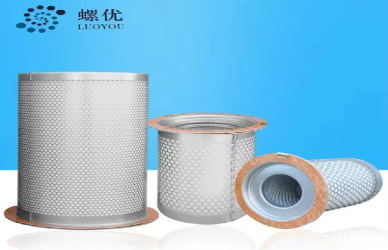
Oil-Injected Compressors: These tend to have lower upfront costs and are more energy-efficient. However, they require regular oil changes and maintenance, such as replacing filters and separators.
Oil-Free Compressors: The initial purchase price of oil-free compressors is higher, and they require specialized components that may increase maintenance costs. However, they eliminate the need for oil management, making them ideal for certain applications.
Aspect | Oil-Injected Compressor | Oil-Free Compressor |
Upfront Cost | Lower | Higher |
Maintenance Cost | Moderate | High |
Air Quality | Risk of oil contamination | Clean air, no oil |
Oil-injected compressors are best suited for industries where air quality is less critical, and efficiency is a priority. These include:
Manufacturing Plants
Construction Sites
Industrial Air Systems
On the other hand, oil-free compressors are essential for industries where air purity is non-negotiable, such as:
Food and Beverage Industry
Medical and Pharmaceutical Applications
Clean Rooms and Hospitals
Several factors should influence your decision when choosing between oil-injected and oil-free rotary screw compressors:
Air Quality Needs: If your application requires clean, dry air, an oil-free compressor is the best choice. For general industrial applications, oil-injected compressors are sufficient.
Energy Efficiency: If minimizing energy costs is your priority, oil-injected compressors offer greater efficiency.
Budget Constraints: Oil-injected compressors have lower upfront costs, making them more suitable for businesses with budget constraints.
For Industries Requiring Clean Air: Choose an oil-free compressor for its ability to maintain clean air throughout the system.
For General Industrial Use: Choose an oil-injected compressor for its durability, efficiency, and lower cost.
Oil-injected compressors have a significant market share due to their affordability, high efficiency, and reliability. These compressors are widely adopted across industries that do not require exceptionally clean air, such as general manufacturing, automotive, and construction. Their ability to provide reliable performance for high-volume air needs at a lower cost makes them the go-to choice for many businesses, especially in large-scale industrial operations. The global market for oil-injected compressors is expected to remain dominant, as their initial lower investment and energy-saving capabilities continue to attract businesses looking for a balance between performance and cost-efficiency. Additionally, oil-injected compressors are compatible with a wide range of operational environments, making them a versatile solution across different sectors.
As industries that require the highest air quality continue to grow, the demand for oil-free compressors is also increasing. Sectors such as pharmaceuticals, food processing, and electronics manufacturing rely heavily on clean and dry air to ensure product quality and safety. This trend is expected to fuel the demand for oil-free compressors, especially as more companies invest in improving their operational standards. Moreover, advancements in technology are making oil-free compressors more affordable and efficient. Manufacturers are continually developing new oil-free compressor models with better energy efficiency, lower noise levels, and longer lifespans, which are making these systems more accessible to a broader range of industries. As environmental concerns also play a significant role in the transition to cleaner operations, oil-free compressors are anticipated to see substantial growth in sectors that prioritize sustainability and eco-friendly practices.
Oil-injected compressors are more energy-efficient but cannot provide the same purity of air as oil-free compressors, which are designed for applications requiring clean, dry air.
Oil-injected compressors are generally more energy-efficient because oil reduces friction within the compression chamber, improving performance under a range of loads.
Oil-injected compressors require regular oil changes and filter maintenance. Oil-free compressors, though simpler in some aspects, demand more attention to their advanced sealing systems and specialized parts.
The choice depends on air quality needs, energy efficiency priorities, and budget. Oil-free compressors are necessary for clean air applications, while oil-injected compressors offer cost-effectiveness for general industrial use.
 Conclusion
In conclusion, both oil-injected and oil-free rotary screw compressors provide unique benefits tailored to specific business requirements. Oil-injected compressors are ideal for applications where cost-effectiveness and high-efficiency operations are the primary considerations, and air purity is not a critical factor. These compressors are particularly well-suited for industries with standard air quality needs, such as manufacturing, automotive, and construction, due to their affordability and reliable performance. On the other hand, oil-free compressors are indispensable for industries that demand the highest standards of air quality, such as medical, pharmaceutical, and food processing sectors. These compressors ensure the delivery of clean, oil-free air, which is crucial for sensitive applications where contamination must be avoided at all costs.
By understanding the key differences between oil-injected and oil-free compressors, businesses can make a well-informed decision that aligns with their specific operational needs, air quality requirements, and budget. Whether you prioritize lower upfront costs, energy efficiency, or clean, contaminant-free air, selecting the right type of compressor is essential for optimizing both performance and long-term sustainability in your operations.


