
- Home
- Products
- Hot
- About Us
- Services
- Industry
- Contact
Views: 0 Author: Site Editor Publish Time: 2026-03-09 Origin: Site


Rotary screw compressors are an essential part of various industrial operations, providing a reliable, energy-efficient method for compressing air and gases. These compressors are used in many sectors, including manufacturing, automotive, food processing, and medical industries, owing to their efficiency and reliability. In this article, we will explore how rotary screw compressors work, breaking down the compression process, components, lubrication methods, cooling mechanisms, and their applications.
A rotary screw compressor is a type of positive displacement compressor that uses two helical screws, known as rotors, to compress air or gas. The rotors are designed to mesh together tightly within the compressor housing, trapping and compressing the air as it moves through the machine. These compressors are popular because they can provide a continuous and steady supply of compressed air.
The two screws in a rotary screw compressor consist of a male rotor and a female rotor. The male rotor is typically the one that drives the motion, while the female rotor remains stationary. As the screws rotate, the air is trapped in pockets between the interlocking rotors, and it is compressed as it moves along the rotors toward the discharge port.
A rotary screw compressor is composed of several key components that work together to ensure efficient operation. These include:
Rotors: The male and female interlocking rotors are the heart of the compression process, trapping and compressing air.
Air End: This is the section where the compression takes place, consisting of the rotors and the chamber that holds them.
Motor: The motor drives the rotors, creating the rotational force needed to compress air.
Cooling System: Compressing air generates heat, so a cooling system is used to keep the compressor's temperature in check.
Lubrication System: In oil-injected compressors, oil is used to lubricate the rotors and cool the compression chamber.
In a rotary screw compressor, the air intake process begins when ambient air is drawn into the compressor through an intake valve. The air is then directed into the spaces between the intermeshing male and female rotors. As the rotors rotate, the volume of the trapped air decreases, causing the air to compress as it moves through the rotors.
At the same time, oil is typically injected into the compression chamber in oil-injected compressors. This oil serves multiple purposes: it lubricates the rotors, seals the gaps between the rotors, and helps cool the air. The compressed air is then directed to the discharge port, ready to be used in industrial applications.
The key to the rotary screw compressor's effectiveness lies in its ability to provide a constant, continuous supply of compressed air. As the rotors rotate, the air is compressed in stages. This continuous process means there is no interruption in the airflow, unlike piston compressors that experience cycles of compression. The air is delivered steadily at the desired pressure, which is crucial for industries that require consistent performance.
The two intermeshing rotors in a rotary screw compressor are designed to create a sealed chamber where air is compressed. As the male rotor rotates, it moves the air toward the discharge port while simultaneously reducing the space between the rotors. The meshing design of the rotors ensures that there is no air leakage, and the air is compressed smoothly. The precise fit of the rotors plays a significant role in the efficiency and performance of the compressor.
The male rotor is the driver of the compressor, providing the mechanical energy needed to move the air through the system. The female rotor remains stationary, acting as the receiver for the air. Together, these two rotors form a highly efficient system for compressing air. The meshing of the rotors helps to minimize air leakage and ensure that the compression process remains smooth and continuous.
In oil-injected rotary screw compressors, oil plays a crucial role in reducing friction and wear between the rotors. The oil is injected into the compression chamber, where it lubricates the rotors and seals, allowing the compressor to operate smoothly and efficiently. The oil also helps to cool the compressor by dissipating the heat generated during compression. Without proper lubrication, the compressor would experience increased friction, leading to a higher risk of damage and decreased efficiency.
Additionally, the oil acts as a sealant, preventing air from escaping between the rotors and ensuring that the compression process is effective. Oil injection is essential in maintaining the longevity and performance of oil-injected rotary screw compressors.
Oil-free compressors operate differently by eliminating the need for lubrication within the compression chamber. Instead of oil, these compressors rely on tight tolerances between the rotors and advanced sealing systems to prevent air leakage and ensure smooth operation. Oil-free compressors are ideal for applications where the air quality must remain uncontaminated, such as in the food and pharmaceutical industries.
Though oil-free compressors require more advanced engineering and are typically more expensive, they offer the advantage of providing clean, dry air without the risk of oil contamination. They are also easier to maintain since there is no need for regular oil changes or oil management systems.
Compressing air generates significant heat, which can affect the efficiency and lifespan of the compressor. To mitigate this, rotary screw compressors incorporate internal cooling mechanisms. In oil-injected compressors, the oil helps to cool the air by carrying away the heat generated during compression. The oil also cools the rotors and other internal components.
In oil-free compressors, the cooling process is typically handled by an external cooling system. Air or water is used to cool the compressor’s components, ensuring that the temperature stays within the optimal range for performance and longevity.
In addition to internal cooling, external cooling methods such as air cooling and water cooling are often used in rotary screw compressors. These systems help to regulate the temperature of the compressor and prevent overheating. Water-cooled compressors are particularly useful in high-demand environments, as they can maintain lower operating temperatures than air-cooled compressors. The choice between air cooling and water cooling depends on factors like the environment, space availability, and the specific requirements of the operation.
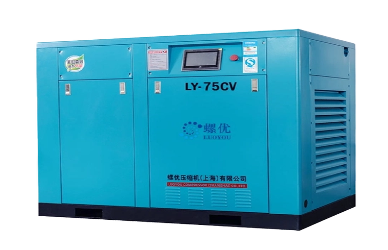
Rotary screw compressors are known for their efficiency and durability. The continuous compression process ensures that there are no interruptions in the airflow, making them ideal for industries that require consistent, high-volume air supply. These compressors also have fewer moving parts than piston compressors, which reduces wear and tear and contributes to a longer operational life.
The design of rotary screw compressors allows them to handle heavy-duty applications while maintaining efficiency, even at high temperatures or under varying load conditions. As a result, they offer significant operational cost savings in the long run.
Another key advantage of rotary screw compressors is their low maintenance requirements. The design of the compressor minimizes the risk of parts wearing out, and the continuous operation helps reduce the need for frequent repairs. Oil-injected models do require regular oil changes, but overall, these compressors require less maintenance compared to other types of compressors, such as reciprocating compressors.
Moreover, the consistent performance of rotary screw compressors ensures that air is supplied at a steady rate, minimizing downtime and disruptions in operations.
Rotary screw compressors are used in various industries that require reliable, continuous compressed air. Some of the most common industries include:
Manufacturing: Rotary screw compressors are used to power machines and tools in manufacturing plants, providing a steady source of compressed air for production lines.
Automotive: In the automotive industry, these compressors are used for air tools, assembly lines, and painting systems.
Food and Beverage: Oil-free rotary screw compressors are critical in food processing plants, where clean and dry air is required to meet hygiene standards.
In industries like pharmaceuticals and food processing, where air quality is of utmost importance, oil-free rotary screw compressors are often employed. These compressors ensure that the air is free of contaminants, which is essential for maintaining product quality and meeting regulatory standards. Oil-free compressors are also used in medical applications, such as in hospitals and laboratories, where contamination-free air is crucial for patient safety.
Rotary screw compressors provide continuous, smooth airflow with interlocking rotors, while piston compressors operate in cycles, leading to more vibration and less consistent air supply.
Oil-free rotary screw compressors rely on tight tolerances between rotors and advanced sealing systems to prevent air leakage, ensuring clean, contaminant-free compressed air.
Rotary screw compressors offer continuous compression, fewer moving parts, and smoother operation, which reduces energy consumption and wear on components.
Maintenance needs include regular oil changes for oil-injected models, filter replacement, and inspections of the cooling and lubrication systems to ensure long-term performance.
 Conclusion
Rotary screw compressors are indispensable in many industries, providing efficient and continuous compressed air for various applications. Whether you are looking for a cost-effective solution with oil-injected compressors or require the highest level of air purity with oil-free compressors, understanding how rotary screw compressors work is essential for making the right choice. By considering factors like efficiency, maintenance, and air quality needs, businesses can select the best compressor to meet their specific requirements, ensuring reliable and optimal performance for years to come.


