
- Home
- Products
- Hot
- About Us
- Services
- Industry
- Contact
Views: 0 Author: Site Editor Publish Time: 2026-08-07 Origin: Site


Buying an industrial air compressor is only the first step in securing your facility's pneumatic power. Many plant managers overlook a hidden financial risk during the procurement phase. Unplanned downtime caused by missing replacement components can quickly drain your operational budget. Global supply chain volatility makes relying entirely on just-in-time delivery highly dangerous. Extended shipping lead times turn simple maintenance routines into multi-day emergencies. You need compressed air to keep your production lines moving. Waiting three weeks for a specialized thermostatic valve is simply unacceptable.
We need a solid framework to determine your optimal inventory strategy. You must decide which items belong on your stockroom shelves immediately. You must also identify which components you can safely order on demand. Balancing your capital expenditure against potential production halts requires a calculated approach. This guide will show you exactly how to build a resilient, cost-effective inventory from day one. You will learn how to protect your machinery, empower your maintenance team, and safeguard your equipment warranty.
We must evaluate downtime costs accurately to justify upfront inventory. You should calculate the true hourly cost of lost production. Compare this figure against the minimal carrying cost of basic inventory. A sudden shutdown can easily cost thousands of dollars per hour in idle labor and missed deliveries. Storing a few critical filters costs mere fractions of this amount. Keeping necessary components on site acts as a cheap, reliable insurance policy.
To analyze your downtime risks, follow these steps:
Let us look closely at global shipping realities. You might assume quick deliveries are always guaranteed. Standard items might indeed arrive in 24 hours. Specialized valves take much longer. Proprietary sensors often remain backordered for weeks. These shipping delays paralyze your entire facility. Weather events, labor shortages, and customs inspections disrupt logistics constantly. Having critical inventory on hand shields your facility from these external supply chain shocks.
Warranty compliance represents another major financial factor. Original Equipment Manufacturers (OEMs) enforce strict service rules. They require clear proof of timely maintenance. You must complete service intervals exactly on schedule. A local parts shortage is no excuse. Missing a service window transfers operational liability directly to you. The manufacturer might deny your warranty claim entirely. Having items ready ensures you meet OEM schedules easily. You protect your equipment longevity and your warranty coverage simultaneously.
You must prioritize certain items immediately upon installation. Do not wait for the first scheduled service interval to order them. Build your baseline inventory on day one.
Air filters serve as your equipment's first line of defense. Keep at least two or three sets on hand. High-particulate industrial environments cause premature filter clogging. Dust, metallic debris, and ambient dirt destroy internal machine components rapidly. Swapping a dirty air filter takes only minutes. This simple action saves you from massive downstream contamination and severe performance drops.
Next, secure a reliable compressor oil filter supply. The oil filter actively protects highly sensitive airend bearings. Tiny metal shavings can score and ruin these delicate bearings. A fresh filter captures this abrasive material efficiently. Match your stock levels to your anticipated running hours. If your facility runs continuously, buy enough filters for the entire first year of operation.
Lubricant and coolant are equally crucial for reliable operations. Keep enough top-off fluid nearby in your maintenance bay. You also need at least one full fluid change available on-site. Fluid levels drop naturally over extended use. Sudden leaks demand immediate replenishment to prevent overheating. Remember to monitor your fluid shelf life closely. Store your oils in designated temperature-controlled environments. Extreme warehouse heat degrades synthetic lubricants before you even open the bucket.
Finally, consider your separator element. Separator failure pushes heavy oil directly into your clean air lines. This incident contaminates your downstream pneumatic tools entirely. You must stop operations instantly if oil carryover occurs. You cannot wait days for a replacement part to arrive. Holding this specific component in stock is completely non-negotiable. It allows your technicians to resume safe operations rapidly.
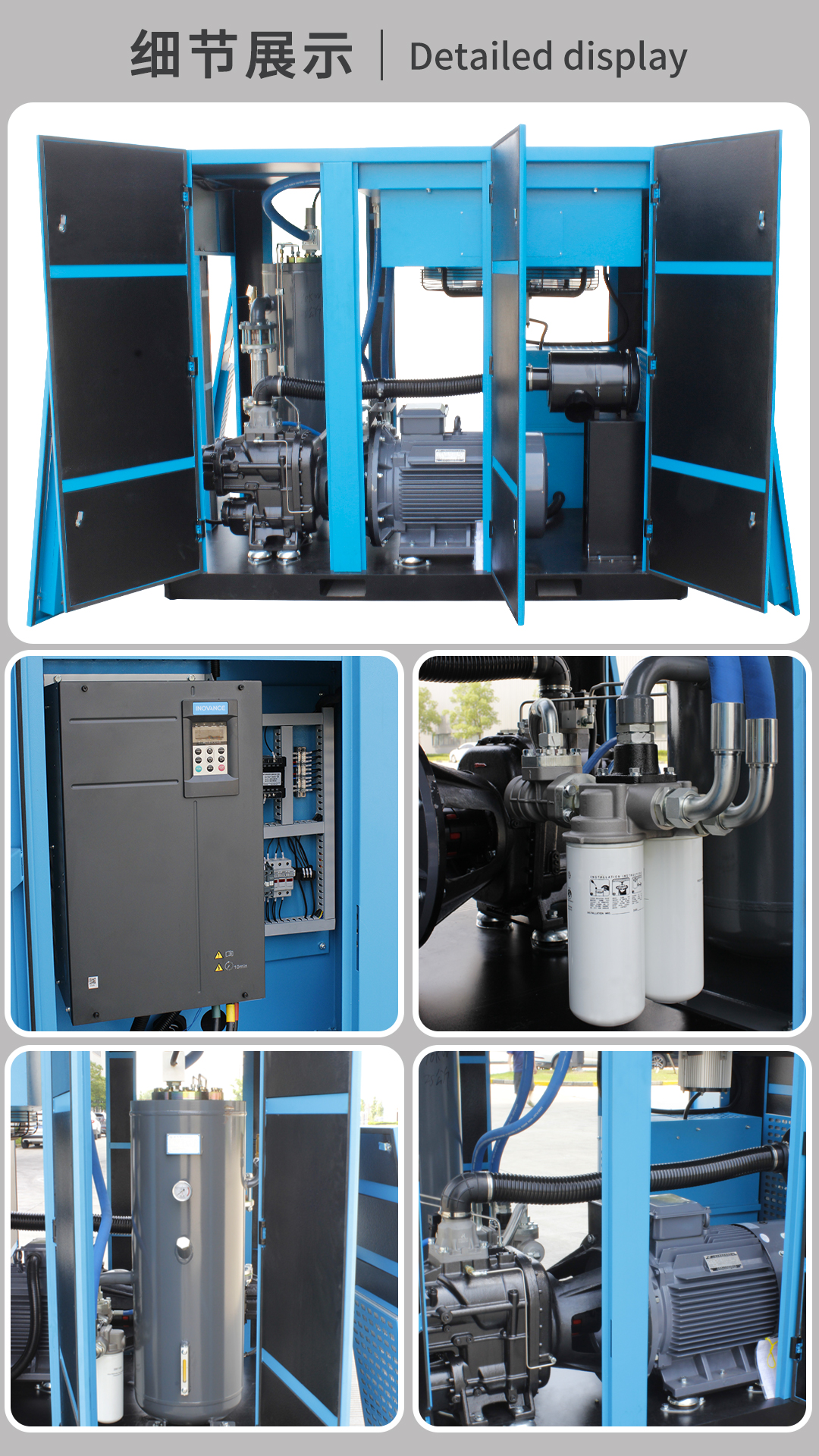
Your initial 18 months of operation reveal specific mechanical vulnerabilities. Certain internal items experience intense physical stress daily. You must anticipate these wear patterns proactively to prevent surprise failures.
Drive components require close and frequent attention. Belts stretch naturally and eventually degrade under high tension. Flexible couplings handle immense rotational force from the main motor. They can snap suddenly under heavy, fluctuating loads. A snapped drive belt stops your machine instantly. Holding replacement belts in inventory costs very little. The financial protection they offer your production schedule is massive.
Valve rebuild kits represent a highly smart investment. Your system utilizes inlet valves, minimum pressure valves, and thermostatic valves. Complete heavy valve assemblies are expensive. They also rarely fail completely. Usually, only the internal rubber seals wear out. We highly recommend stocking rebuild kits instead of full assemblies. These kits contain necessary replacement O-rings, gaskets, and springs. They save substantial costs and restore full functionality quickly.
Electrical vulnerabilities often catch procurement buyers off guard. Voltage spikes happen frequently in any heavy industrial grid. Fuses blow constantly to protect expensive circuit boards. Relays burn out naturally after thousands of activation cycles. A simple $20 electrical relay should never keep a $50,000 pneumatic unit offline. Keep a dedicated, waterproof box of exact replacement electrical components near the machine.
Sensors monitor internal pressure and temperature constantly. Modern rotary screw units rely heavily on these data feeds. They will automatically shut down the motor if a sensor fails. A sensor drifting out of calibration triggers aggressive safety protocols. Without a spare sensor, you cannot bypass these electronic safety interlocks. Keeping standard pressure and temperature sensors on the shelf ensures rapid system restarts.
Many procurement managers debate how to purchase their inventory. Buying items individually seems flexible at first glance. However, purchasing a pre-configured bundle offers distinct logistical and financial advantages.
Assess the financial cost-to-benefit ratio carefully. Vendors often discount bundled packages heavily during initial equipment purchases. You might even roll this combined cost into your primary equipment financing. This approach secures your necessary inventory upfront without draining separate maintenance budgets. It protects your cash flow significantly later in the fiscal year.
Predictability drastically improves your daily maintenance operations. A structured bundle simplifies preventative maintenance planning. Your maintenance team knows exactly what materials they possess. Bundles usually group 2,000, 4,000, and 8,000-hour service components perfectly. Technicians grab the designated maintenance box and get straight to work. No one wastes valuable time hunting for individual part numbers in the stockroom.
We must address the "Aftermarket vs. OEM" dilemma objectively. Buyers often seek cheaper aftermarket alternatives. These parts look appealing on spreadsheets. However, they carry significant hidden mechanical risks.
You do not need every single component on your shelf. Tying up capital unnecessarily hurts your overall business liquidity. We recommend building a highly structured inventory matrix. This deliberate categorization balances operational risk and financial investment perfectly.
Below is a clear breakdown of how to structure your procurement strategy efficiently.
Compressor Component Sourcing Matrix
| Category | Item Type | Common Examples | Sourcing Strategy |
|---|---|---|---|
| Category A (Keep on Shelf) | High-turnover, low-cost | Filters, synthetic oil, O-rings | Zero tolerance for lead times. Stock these immediately on site. |
| Category B (Distributor SLA) | Medium-cost, moderate-wear | Replacement contactors, standard sensors | Require a signed SLA guaranteeing 24-hour local delivery. |
| Category C (OEM Factory Order) | High-cost, low-failure | Main airends, variable speed drives | Rely on OEM emergency protocols. Understand lead times upfront. |
Category A items demand immediate local availability. You have zero tolerance for shipping lead times here. If a filter clogs, you replace it instantly. Your internal maintenance team must control these items directly.
Category B items represent moderate wear and tear. They cost slightly more and fail less frequently. You should require a strict Service Level Agreement (SLA). Get this SLA signed by your authorized local distributor. They must guarantee 24-hour emergency delivery for these specific components. Let the distributor hold the heavy inventory cost while you still secure guaranteed availability.
Category C items involve major capital investments. Airends and variable speed drives rarely fail early in their lifecycle. Rely entirely on the OEM for these items. Understand their emergency shipping protocol thoroughly before signing the purchase order. Know exactly how fast they can air-freight a major assembly to your loading dock.
Investing upfront in the right replacement components is smart business. It functions as a vital risk-mitigation strategy for your plant. It goes far beyond a simple operational expense. You protect your production schedules from unpredictable global supply chains. You also ensure your machine warranty remains valid, documented, and undisputed.
We strongly advise buyers to take proactive steps today. Ask your equipment vendor for a formal Recommended Spare Parts List (RSPL). Request a comprehensive quote for a one-year consumable bundle. Do this before you finalize your main equipment purchase. You possess the most negotiation leverage during the initial sales process. Use this leverage to secure highly favorable pricing on your critical inventory.
Contact our dedicated engineering and sales team today. We can perform a customized preventative maintenance audit for your facility. We will confidently quote a tailored parts package matching your specific operational demands. Secure your factory uptime and protect your capital investment effectively.
A: Yes. Components like O-rings, rubber belts, and the air oil separator degrade naturally over time. Exposure to UV light, extreme heat, or high ozone levels accelerates this process. Standard shelf-life expectations typically range from one to three years. Always store these sensitive items in a climate-controlled, dark environment to maximize their longevity.
A: Warranty laws prevent automatic voiding simply for using aftermarket parts. However, the practical reality remains strict. If an aftermarket compressor oil filter fails and causes airend damage, the OEM will likely deny your claim. They will blame the unapproved component for the catastrophic machine failure.
A: Base your reorder points purely on operating hours, not calendar months. A machine running continuously consumes filters much faster than one running single shifts. Establish a solid baseline after logging your first six months of running hours. Calculate your precise burn rate, and set automated procurement reorder triggers accordingly.


