
- Home
- Products
- Hot
- About Us
- Services
- Industry
- Contact
Views: 0 Author: Site Editor Publish Time: 2026-01-30 Origin: Site


Air compressors are vital in many industries, powering tools and equipment. But did you know there are two main types? Understanding the difference between high pressure and low pressure air compressors is crucial for choosing the right one for your needs.
In this post, we’ll explore their unique features, applications, and key differences. You’ll learn how to select the best compressor for your specific requirements, ensuring optimal performance and efficiency.
An air compressor is a device that converts power into potential energy stored in pressurized air. It works by drawing in ambient air and compressing it to increase its pressure. This compressed air can then be used to power various tools and equipment, making it essential in many industries such as manufacturing, construction, and automotive.
Here's a simplified overview of how air compressors operate:
1. Intake Phase: The compressor draws in air through an intake valve.
2. Compression Phase: The air is compressed, increasing its pressure and temperature.
3. Storage Phase: The compressed air is stored in a tank until needed.
4. Delivery Phase: When required, the compressed air is released to power tools or machinery.
Air compressors come in various types, each designed for specific applications. The most common types include:
● Reciprocating Compressors: These use pistons to compress air. They are versatile and suitable for low to medium pressure applications.
● Rotary Screw Compressors: These feature two rotating screws to compress air. They are efficient for continuous operation and are often used in industrial settings.
When discussing high pressure and low pressure air compressors, it’s crucial to understand their distinct characteristics. Here’s a quick comparison:
Feature | High Pressure Compressors | Low Pressure Compressors |
Typical Pressure Range | Above 150 PSI (up to 7,000 PSI) | Under 150 PSI (commonly 90-125 PSI) |
Applications | Gas cylinder filling, hydraulic testing | Powering pneumatic tools, inflation |
Design | Built for continuous, heavy-duty use | Designed for intermittent use |
Airflow Capacity | Lower airflow but higher force | Higher airflow for moderate pressure needs |
High pressure air compressors are ideal for tasks requiring intense force, while low pressure compressors excel in applications needing steady airflow. Understanding these differences helps in selecting the right compressor for your specific needs.
In summary, knowing what an air compressor is and the types available lays the foundation for understanding the distinctions between high pressure and low pressure air compressors. Each type serves unique purposes, making them essential tools in various industries.
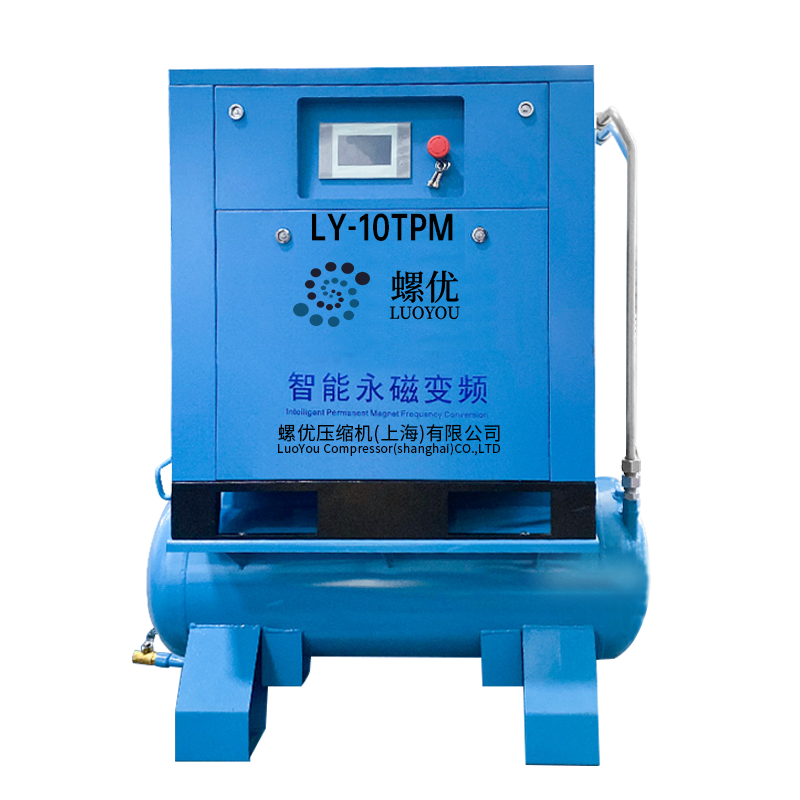
High pressure air compressors are specifically designed to generate and maintain air pressure above 150 PSI, often reaching levels as high as 7,000 PSI. They are engineered to handle demanding applications where intense force is required. This high pressure allows for efficient operation in specialized tasks, making them essential in various industries.
One key characteristic of these compressors is their robust construction, which enables them to withstand the stresses of high pressure. They often include advanced safety features to manage the risks associated with such intense pressure levels.
High pressure air compressors come equipped with several notable features that enhance their performance:
● Airflow (CFM) Characteristics: While they typically provide lower airflow compared to low pressure models, high pressure compressors focus on delivering strong force. For instance, a high pressure model might offer airflow rates suitable for specific industrial tasks but at higher pressure levels.
● Duty Cycle and Design: These compressors are built for continuous use. They often feature heavy-duty components that can handle prolonged operation without overheating. This design ensures reliability during critical tasks, such as those in manufacturing or construction.
● Energy Consumption and Heat Generation: High pressure compressors generally consume more energy due to their operational demands. However, many modern models are designed to optimize energy use, incorporating advanced technologies to reduce heat generation and improve overall efficiency.
Feature | High Pressure Air Compressors |
Typical Pressure Range | Above 150 PSI (up to 7,000 PSI) |
Airflow Characteristics | Lower airflow, higher force |
Duty Cycle | Continuous operation, heavy-duty design |
Energy Efficiency | More energy consumption, optimized designs |
High pressure air compressors serve a variety of specialized industrial applications. Here are some key areas where they excel:
● Gas Cylinder Filling: These compressors are crucial for filling gas cylinders used in various industries, ensuring safe and efficient transfer of compressed gases.
● PET Bottle Blowing: In the production of plastic bottles, high pressure compressors provide the necessary force for shaping and blowing PET materials.
● Hydraulic Testing: They are also used in hydraulic systems for testing and maintenance, where precise pressure control is vital.
● Heavy Industry: In sectors like power generation, oil & gas, and mining, high pressure air compressors are indispensable. They facilitate operations that require consistent high pressure, ensuring equipment runs smoothly.
An example of a high pressure model is the Luoyou Compressor LY-20JTA. This compressor is specifically designed for laser cutting applications, providing high-purity air that ensures stable operations. Its efficient design and reliable performance make it a popular choice among industries requiring precision and power.
In summary, high pressure air compressors play a vital role in various industrial applications, offering features and capabilities that cater to demanding environments. Their ability to deliver high pressure and continuous operation makes them essential tools in many sectors.
Low pressure air compressors are designed to operate at pressures typically below 150 PSI, with common ranges falling between 90 and 125 PSI. These compressors are ideal for applications that do not require the intense force provided by high pressure models. Their construction is generally simpler, making them more accessible for various uses.
The primary characteristic of low pressure air compressors is their ability to deliver a steady flow of air without the extreme pressure levels. This makes them suitable for tasks where moderate force is sufficient, ensuring they can efficiently handle a variety of applications.
Low pressure air compressors come equipped with several important features:
● Airflow (CFM) Characteristics: These compressors typically provide higher airflow rates compared to high pressure models. This makes them ideal for applications needing consistent air supply over extended periods. For instance, a low pressure compressor might deliver 10-15 CFM, which is suitable for powering multiple pneumatic tools simultaneously.
● Design for Intermittent Use: Many low pressure compressors are designed for intermittent operation. They can handle short bursts of activity, making them perfect for workshops or home use. This design allows users to easily manage tasks without the need for continuous operation.
● Energy Efficiency and Heat Generation: Low pressure compressors are often more energy-efficient than their high pressure counterparts. They generate less heat during operation, which can extend the life of the unit and reduce energy costs. This efficiency is particularly beneficial in environments where energy consumption is a concern.
Feature | Low Pressure Air Compressors |
Typical Pressure Range | Under 150 PSI (commonly 90-125 PSI) |
Airflow Characteristics | Higher airflow, suitable for multiple tools |
Duty Cycle | Intermittent use, ideal for short tasks |
Energy Efficiency | More energy-efficient, lower heat generation |
Low pressure air compressors are widely used in various settings, particularly in workshops and light industrial applications. Here are some common uses:
● Powering Pneumatic Tools: These compressors are perfect for operating tools like nail guns, impact wrenches, and spray guns. Their ability to provide a steady airflow makes them reliable for these tasks.
● Inflation: They are commonly used for inflating tires, sports equipment, and inflatable items. The moderate pressure is sufficient for these applications without risking damage.
● Cleaning: Low pressure compressors can effectively power blow guns for cleaning surfaces, machinery, and workspaces. This versatility makes them valuable in both home and industrial environments.
● Manufacturing Processes: In manufacturing, low pressure compressors play a crucial role in processes like packaging and textile drying. They ensure that machines operate smoothly and efficiently.
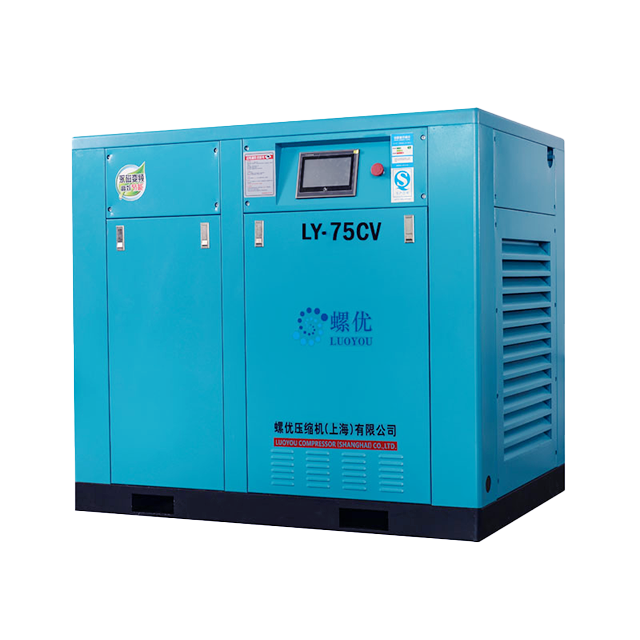
An example of an effective low pressure model is the Luoyou LY-75CV. This compressor is designed specifically for large-scale pneumatic equipment used in manufacturing and construction. Its reliable performance and efficiency make it a popular choice among professionals needing consistent air supply for their operations.
Low pressure air compressors are essential tools in various industries, offering flexibility and efficiency for a wide range of applications.
When comparing high pressure and low pressure air compressors, the most significant differences lie in their performance metrics.
● Pressure Range and Its Implications: High pressure compressors operate above 150 PSI, often reaching up to 7,000 PSI. This capability allows them to perform tasks requiring intense force, such as hydraulic testing and gas cylinder filling. In contrast, low pressure compressors typically function under 150 PSI, making them suitable for lighter applications like powering pneumatic tools.
● Airflow Capacity Differences: High pressure models generally have lower airflow rates compared to low pressure compressors. For example, a high pressure unit may deliver 5 CFM at 300 PSI, while a low pressure compressor can provide 15 CFM at 100 PSI. This difference means that low pressure compressors can supply more air volume for tasks that don’t need high pressure.
● Duty Cycle and Design Considerations: High pressure compressors are designed for continuous operation, built to withstand prolonged use without overheating. Low pressure compressors, however, are often designed for intermittent use, making them ideal for tasks that require short bursts of air.
Feature | High Pressure Compressors | Low Pressure Compressors |
Pressure Range | Above 150 PSI (up to 7,000 PSI) | Under 150 PSI (commonly 90-125 PSI) |
Airflow Capacity | Lower airflow | Higher airflow |
Duty Cycle | Continuous operation | Intermittent use |
Energy consumption is another critical factor when evaluating these compressors.
● Comparison of Energy Consumption: High pressure compressors tend to consume more energy due to their operational demands. They require robust motors and components that can handle the stress of high pressure. Conversely, low pressure compressors are typically more energy-efficient, leading to lower operational costs over time.
● Maintenance Requirements and Associated Costs: High pressure compressors often have higher maintenance needs because of their complex design and the stress of operating at elevated pressures. This can lead to increased costs related to repairs and parts replacement. Low pressure compressors usually require less maintenance, making them more cost-effective for casual users or smaller operations.
Safety is paramount when dealing with air compressors, especially high pressure models.
● Safety Risks Associated with High Pressure Compressors: The intense pressure generated by high pressure compressors poses risks such as potential explosions or equipment failure. Proper safety measures must be in place, including pressure relief valves and regular inspections to prevent accidents.
● Standard Safety Measures for Low Pressure Compressors: While low pressure compressors are generally safer, they still require standard safety precautions. Users should ensure proper ventilation and avoid overloading the compressor to maintain safe operation.
In summary, understanding these key differences helps users choose the right type of air compressor for their specific needs. Whether for high-pressure tasks or more routine applications, knowing the performance, energy efficiency, and safety considerations is essential for optimal use.
In summary, high pressure and low pressure air compressors differ significantly in performance, efficiency, and applications.
High pressure compressors excel in tasks requiring intense force, while low pressure models are ideal for lighter applications.
Choosing the right type is crucial for enhancing efficiency and performance in your projects.
We encourage readers to assess their specific needs and consult with experts for optimal compressor selection.
A: Low pressure air compressors typically operate under 150 PSI, with common ranges between 90 and 125 PSI.
A: Yes, high pressure compressors can be used for low pressure applications, but they may be less efficient.
A: High pressure compressors require regular inspections, maintenance of safety valves, and monitoring for wear on components.
A: Yes, some hybrid models are designed to operate at both high and low pressures, providing versatility for various applications.


