
- Home
- Products
- Hot
- About Us
- Services
- Industry
- Contact
Views: 0 Author: Site Editor Publish Time: 2026-01-23 Origin: Site


Have you ever wondered how industries achieve high precision and power? High-pressure air compressors play a crucial role in this process. These specialized machines compress air to pressures of 150 PSI or more, often reaching up to 6,000 PSI.
In this article, we’ll explore the definition of high-pressure air compressors and their importance across various sectors. You’ll learn how they power pneumatic tools and ensure quality control in manufacturing processes.
High-pressure air compressors are fascinating machines that utilize a series of processes to compress air efficiently. Understanding their operating principles helps us appreciate their importance in various industries.
At the core of a high-pressure air compressor is the compression process. It begins when ambient air enters the machine, where it is drawn into a chamber. Here, the air is compressed, significantly increasing its pressure. This process is not just about squeezing air; it involves several stages to maximize efficiency and effectiveness.
One of the key features of high-pressure air compressors is multi-stage compression. This method involves compressing air in several successive stages. After each stage, intercoolers come into play. These devices cool the compressed air, dissipating heat generated during compression. By cooling the air, we enhance overall efficiency, ensuring that the compressor operates optimally.
Stage | Pressure Increase | Cooling Method |
Stage 1 | Up to 10 Bar | Intercooler 1 |
Stage 2 | 10 to 16 Bar | Intercooler 2 |
Stage 3 | 16 to 20 Bar | Intercooler 3 |
As air is compressed, it can pick up moisture, oil, and other contaminants. To combat this, high-pressure air compressors incorporate advanced filtration and purification systems. These systems ensure that the compressed air meets strict safety and purity standards, such as the European Breathing Air Standard EN12021. The result is clean, dry air that can be used in sensitive applications like medical devices and food processing.
Several key components work together in a high-pressure air compressor to ensure optimal performance. Understanding these parts helps clarify how they contribute to the overall function of the machine.
● Pistons: These are crucial in pressurizing the air. As the pistons move, they compress the air within the chamber, increasing its pressure significantly.
● Intercooling Systems: These systems prevent overheating between compression stages. By cooling the air, they enhance efficiency and prolong the life of the compressor.
● Storage Tanks: After compression, the air is stored in tanks. These tanks are vital for retaining compressed air, ensuring a consistent supply when needed. They allow for the delivery of air at a steady pressure, which is essential for various applications, from powering tools to supporting industrial processes.
In summary, high-pressure air compressors use advanced technology and multiple components to efficiently compress air for a wide range of applications. Understanding how they work helps us appreciate their role in modern industry and technology.
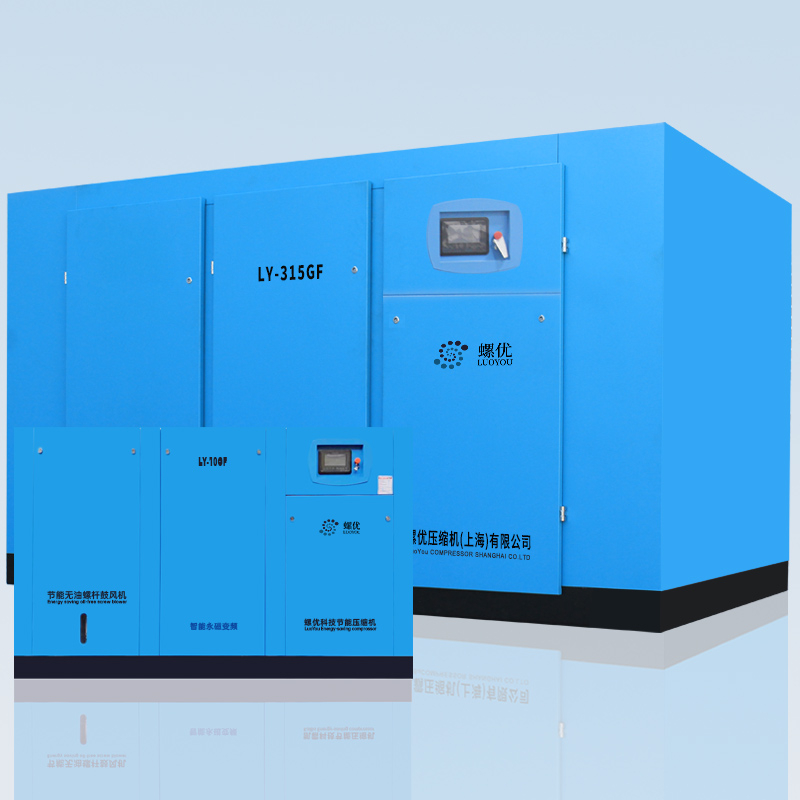
High-pressure air compressors come in various types, each designed for specific applications and industries. Understanding these types helps in selecting the right compressor for your needs.
Standard high-pressure compressors are designed to meet the demands of various industrial applications. These machines typically operate at pressures ranging from 10 bar to over 414 bar. They are versatile and can be used in diverse sectors, including manufacturing, mining, and automotive industries.
For instance, models from Luoyou Compressor (Shanghai) Co., Ltd. exemplify the capabilities of standard high-pressure compressors. Their offerings include robust units that deliver reliable performance, making them ideal for tasks such as powering pneumatic tools and ensuring quality control in production lines.
Model Name | Power Rating | Pressure Range | Key Applications |
LY-220A | 220HP | 7–16 Bar | Heavy industry, manufacturing |
LY-20JTA | 20HP | 16 Bar | Laser cutting, precision tasks |
LY-Series | 75Kw | Up to 16 Bar | Sensitive industries, food, medical |
Booster compressors are specialized high-pressure air compressors designed to increase the pressure of air beyond standard levels. They are often used in applications where additional pressure is needed for specific tasks. For example, booster models are essential in industries like oil and gas, where high-pressure air is required for drilling and other processes.
These compressors can work alongside standard models to enhance overall system efficiency. By providing a pressure boost, they ensure that operations requiring higher pressures can be performed without compromising performance.
When it comes to high-pressure air compressors, you’ll find two main types: integrated and standalone models.
● Integrated Models: These compressors combine various components into a single unit, making them compact and efficient. They often include built-in storage tanks and advanced control systems. Luoyou's integrated models offer high efficiency and space-saving benefits, making them suitable for facilities with limited space.
● Standalone Models: Standalone compressors are separate units that can be installed independently. They offer flexibility in terms of configuration and can be tailored to specific requirements. This type is ideal for larger facilities where multiple compressors might be needed to handle different tasks simultaneously.
Both types have their advantages, depending on the application and available space. Choosing between them often comes down to specific operational needs and facility layout.
In summary, understanding the types of high-pressure air compressors available can help you make informed decisions. Whether you need a standard model for everyday tasks or a booster for specialized applications, there’s a solution tailored for your requirements.
When selecting a high-pressure air compressor, understanding its specifications is crucial. These key specifications determine how well the compressor will perform in various applications.
High-pressure air compressors are classified by their pressure ratings, which indicate the maximum pressure they can achieve. Common ranges for these compressors typically vary from 10 bar to 414 bar.
● 10 Bar: Suitable for light industrial tasks and small pneumatic tools.
● 20 Bar to 40 Bar: Often used in automotive applications and manufacturing processes.
● Above 100 Bar: Essential for heavy-duty operations, such as in oil and gas drilling or specialized manufacturing.
These ratings help industries choose the right compressor for their specific needs, ensuring efficiency and effectiveness in operations.
Airflow capacity is another critical specification, measured in various units like m³/h (cubic meters per hour), l/s (liters per second), and CFM (cubic feet per minute).
For instance, Luoyou's product line offers a range of airflow capacities:
Model Name | Airflow Capacity (m³/h) | Airflow Capacity (CFM) |
LY-220A | 40 m³/h | 23.5 CFM |
LY-20JTA | 20 m³/h | 11.8 CFM |
LY-75K | 75 m³/h | 44.2 CFM |
Understanding airflow capacity helps users determine if a compressor can meet the demands of their specific applications, whether it’s for powering tools or operating machinery.
Power ratings indicate the energy supply required for high-pressure air compressors. These ratings are typically measured in horsepower (HP) or kilowatts (kW).
For example, the LY-220A model boasts a power rating of 220 HP, making it suitable for demanding industrial applications. Here’s a quick overview of common power ratings for various models:
Model Name | Power Rating (HP) | Typical Applications |
LY-220A | 220 HP | Heavy industry, manufacturing |
LY-20JTA | 20 HP | Small workshops, automotive |
LY-75K | 75 HP | Medium-sized manufacturing |
These power ratings ensure that users select a compressor capable of handling their workload without straining the equipment.
Understanding these key specifications—pressure ratings, airflow capacity, and power ratings—allows users to make informed decisions when selecting a high-pressure air compressor. This knowledge is essential for optimizing performance and efficiency in various industrial applications.
High-pressure air compressors are vital tools across various industries, serving a range of applications. Their ability to generate high pressure makes them indispensable for both standard and specialized tasks.
In manufacturing and heavy industries, high-pressure air compressors play a crucial role. They are widely used for:
● Laser Cutting: High-pressure air is essential for cutting through materials like metal and plastic. It helps achieve precision and clean edges, making it a preferred choice in fabrication shops.
● Assembly Line Support: These compressors power pneumatic tools that assemble products on production lines. Their reliability ensures that operations run smoothly and efficiently.
Additionally, high-pressure compressors are instrumental in testing and quality control. They help simulate various conditions to ensure products meet safety and performance standards. For example, they can test the integrity of pressure vessels and pipelines, ensuring they can withstand operational pressures.
High-pressure air compressors are also used in specialized applications that require specific pressure levels. Here are some notable examples:
● Breathing Air Systems: These compressors are essential for filling SCUBA diving tanks and supporting emergency services. They can generate pressures ranging from 3,000 to 5,500 PSI, providing safe and breathable air in critical situations.
● Plastics Manufacturing: In processes like PET plastic blow molding, high-pressure air is crucial for shaping and forming plastic products. This application highlights how compressors contribute to the production of consumer goods.
● Aerospace and Military Applications: High-pressure air compressors serve various functions, including fuel injection in engines and quality control during the manufacturing of aircraft components. Their reliability is vital in ensuring safety and performance in these high-stakes environments.
In the energy sector, high-pressure air compressors are integral to oil and gas operations. They are used in power plants for various tasks, including:
● Pneumatic Tools: High-pressure air powers tools that assist in drilling and maintenance. This capability enhances productivity and safety in challenging environments.
● Gas Compression: These compressors help in compressing natural gas for transportation and storage, ensuring efficient energy distribution.
Application | Pressure Range | Key Functions |
Breathing Air Systems | 3,000 - 5,500 PSI | Filling SCUBA tanks, emergency services |
Plastics Manufacturing | Up to 100 Bar | PET blow molding, product shaping |
Aerospace & Military | Varies | Fuel injection, quality control |
Energy Sector | Varies | Powering pneumatic tools, gas compression |
High-pressure air compressors thus serve a broad spectrum of applications, from industrial manufacturing to specialized sectors like aerospace and energy. Their versatility and efficiency make them indispensable in modern operations.
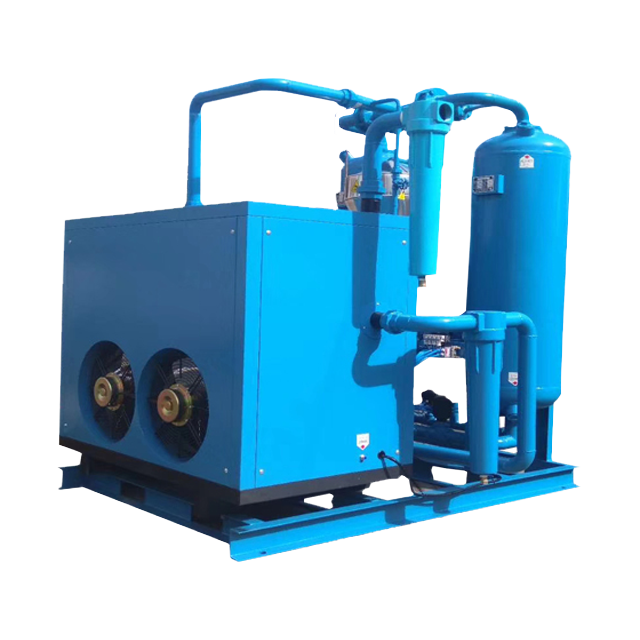
High-pressure air compressors offer numerous advantages that make them essential in various industries. From energy efficiency to reliability, these compressors provide significant benefits to users.
One of the standout benefits of high-pressure air compressors is their energy efficiency. Modern models, such as Luoyou's PM VFD integrated compressors, are designed to optimize energy consumption. These compressors can reduce energy usage by 20% to 40%, translating into substantial operational cost savings over time.
This efficiency is achieved through advanced variable frequency drive (VFD) technology, which adjusts the compressor's speed based on demand. As a result, businesses can lower their energy bills while still meeting their air supply needs effectively.
Reliability is crucial when it comes to high-pressure air compressors, especially in critical applications. Consistent performance ensures that operations run smoothly without interruptions. Luoyou's commitment to quality is evident in their products, which are backed by international certifications.
These certifications guarantee that the compressors meet stringent performance standards, providing users with peace of mind. Knowing that their equipment will operate reliably under pressure allows businesses to focus on their core activities without worrying about equipment failures.
High-pressure air compressors also excel in quality assurance, particularly regarding air purity and safety. Many models achieve ISO 8573-1 Class 0 standards, which means they produce oil-free air. This is vital for industries where air quality is paramount, such as food processing, pharmaceuticals, and electronics manufacturing.
By meeting these rigorous standards, high-pressure air compressors ensure that the air supplied is free from contaminants. This not only protects the equipment being used but also enhances the quality of the products being manufactured.
Benefit | Description | Example Model |
Efficiency | Reduces energy consumption by 20–40% | Luoyou PM VFD Integrated |
Reliability | Consistent performance supported by quality certifications | Luoyou Compressors |
Quality Assurance | Meets ISO 8573-1 Class 0 standards for oil-free air | Various Luoyou Models |
In summary, the benefits of using high-pressure air compressors—efficiency, reliability, and quality assurance—make them indispensable tools in many sectors. Their ability to deliver consistent, high-quality air while reducing operational costs positions them as a smart investment for businesses.
High-pressure air compressors are vital tools across many industries. Their versatility allows for applications ranging from manufacturing to specialized uses.
These compressors enhance efficiency, reliability, and air quality.
We encourage readers to assess their specific needs. Consider high-pressure air compressors, like those from Luoyou Compressor (Shanghai) Co., Ltd., for your operations.
A: Standard compressors operate at lower pressures, while high-pressure compressors can reach pressures from 10 bar to 414 bar, suitable for specialized applications.
A: They are used in manufacturing, laser cutting, breathing air systems, plastics manufacturing, and aerospace applications.
A: Regularly check oil levels, replace filters, and inspect for leaks. Follow the manufacturer's maintenance schedule.
A: Yes, when used according to guidelines and safety standards, they are safe.
A: Consider efficiency, reliability, airflow capacity, and certifications for quality assurance.


