
- Home
- Products
- Hot
- About Us
- Services
- Industry
- Contact
Views: 0 Author: Site Editor Publish Time: 2026-08-09 Origin: Site


Delayed equipment delivery frequently causes capital project overruns. In heavy industrial applications, the main compressor often sits squarely on the critical path. Missing this delivery window disrupts everything else. Facility managers and engineers face immense pressure to keep schedules tight. However, you cannot simply buy highly specialized equipment off the shelf.
Engineering a custom screw air compressor requires precise alignment between facility requirements, component sourcing, and rigorous compliance standards. This complex orchestration naturally extends delivery schedules. Global supply chain fluctuations complicate these timelines further. Manufacturers must balance bespoke design requests against real-world material availability.
This article provides project managers and procurement engineers a transparent breakdown of timeline drivers. We explore each manufacturing phase in detail. You will learn how to evaluate a vendor’s proposed schedule objectively. Ultimately, we show you how to spot and avoid hidden delays before they derail your upcoming build.
Buyers often enter procurement expecting rapid fulfillment. Standard commercial air compressors ship from warehouses in just a few weeks. Manufacturers build these stock units in large batches. They use universally available components and standardized skid layouts. Custom-engineered systems represent a completely different reality. Bespoke machines require several months of planning, sourcing, and fabrication.
Understanding this contrast sets a realistic expectation for your project. A highly customized unit follows a distinct, multi-phase production cycle. Each stage introduces unique dependencies. Below, we outline the core stages of typical compressor production lead time.
Baseline Production Phase Breakdown
| Production Phase | Key Activities | Typical Duration |
|---|---|---|
| Phase 1 | Application engineering, 3D modeling, and design documentation | 4–8 weeks |
| Phase 2 | Procurement and global supply chain fulfillment | 8–16+ weeks (Variable) |
| Phase 3 | Physical fabrication, piping, and component assembly | 4–8 weeks |
| Phase 4 | Quality assurance, factory testing, and final certification | 2–4 weeks |
Use this phased approach as an evaluation lens during procurement. Teach your buying team to remain highly skeptical of vendors promising "off-the-shelf" delivery times for truly customized builds. Aggressive schedules often hide major gaps in testing or compliance. Vendors might rush the engineering phase, which only pushes delays into the assembly or commissioning stages. Always demand a detailed schedule breakdown before signing a purchase order.
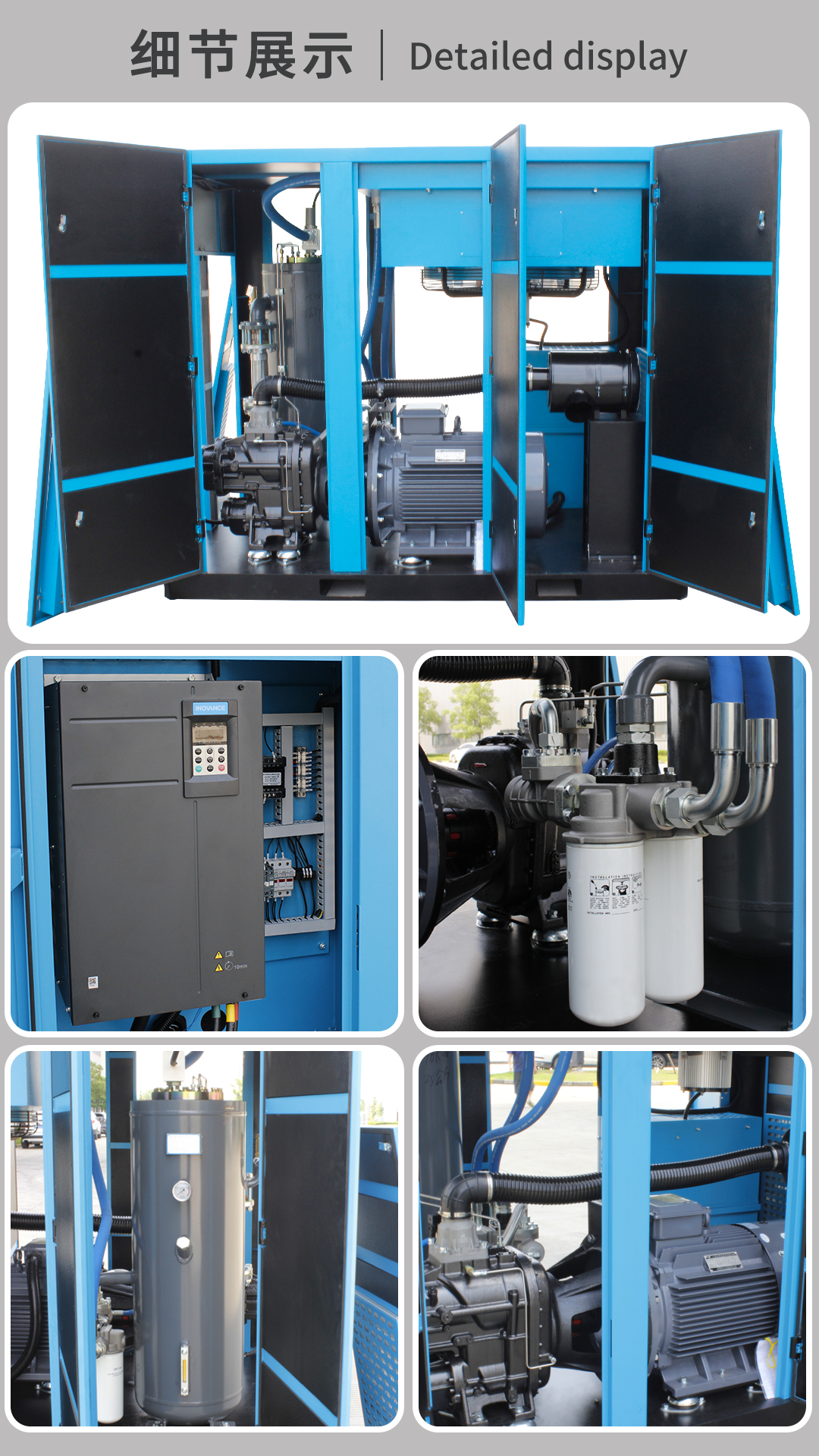
Every unique requirement you add to a project shifts the delivery date. Manufacturers optimize their production lines for standard builds. Moving outside these parameters requires specialized engineering. It also demands unique materials. Let us examine how distinct environmental and operational choices extend manufacturing timelines.
Industrial compressors frequently operate in harsh conditions. Extreme ambient temperatures demand oversized cooling systems or specialized winterization packages. High-altitude installations require larger airends to compensate for thin air. Corrosive environments, such as offshore platforms or chemical plants, mandate non-standard materials. Engineers must spec stainless steel piping, specialized protective coatings, and sealed enclosures. Suppliers do not keep these exotic materials in typical inventory. Sourcing marine-grade alloys alone can add weeks to your schedule.
Safety regulations heavily influence production speed. Designing equipment for hazardous locations introduces strict compliance barriers. ATEX or NEMA 7/9 environments require explosion-proof components. Manufacturers cannot pull these parts from standard warehouse shelves. Sub-tier suppliers build explosion-proof motors and intrinsically safe control panels entirely to order. These electrical requirements inherently carry longer manufacturing times. The documentation and certification processes for these components also require additional administrative review.
Facility space limitations force extensive engineering work. Modifying standard skid sizes to fit tight facility footprints is a major undertaking. It forces a complete redesign of internal piping. Engineers must reroute cooling lines and reposition major components. They must ensure maintenance access remains viable within a condensed space. Custom structural engineering requires new stress calculations and vibration analysis. This custom fabrication slows down the physical assembly phase considerably.
You must maintain outcome focus during the design phase. Clarify internally that every alteration to custom compressor specifications resets the baseline manufacturing timeline. Upgrading a material grade or shifting a discharge nozzle by a few inches might seem trivial. However, these changes ripple through the drafting department and the procurement team. Finalize your specifications early to lock in your desired delivery window.
The global supply chain dictates the pace of heavy manufacturing. A custom compressor relies on hundreds of distinct parts. A delay in just one critical component pauses the entire assembly process. Understanding these supply chain vulnerabilities helps you manage schedule expectations effectively.
Certain components consistently disrupt timelines across the industry. Standard parts arrive quickly, but specialized items require careful logistical planning. You should track the following specific components closely:
Partnering with a fully integrated manufacturer provides distinct advantages. An established OEM air compressor partner maintains deep supplier relationships. They leverage vertical integration to insulate buyers from raw material shortages. They cast their own airends and machine their own structural components. This internal capability reduces reliance on vulnerable third-party suppliers. In contrast, smaller assemblers who outsource every major component face compounding delay risks.
You must proactively investigate your vendor’s supply chain health. Advise your procurement team to ask potential suppliers direct questions. Ask about their current tier-1 supplier lead times. Request details on their inventory buffering strategies for critical electronics. Do they stockpile common VFD components? Do they hold raw steel reserves? A vendor who transparently shares their supply chain mitigation strategies is far more reliable than one who simply promises a fast turnaround.
Many buyers assume the manufacturer controls the entire timeline. In reality, client-side delays frequently derail custom builds. The engineering phase requires intense collaboration. How your team handles document reviews directly impacts the final delivery date.
The project clock stops the moment a vendor sends drawings for client review. Manufacturers cannot order expensive, custom materials without approved General Arrangement (GA) drawings and P&IDs. Delays in returning these approved documents halt the entire procurement phase. If your internal engineering team takes three weeks to review a drawing instead of one week, your delivery date pushes out by two weeks. You must treat vendor document reviews as high-priority tasks.
Implementing a strict "design freeze" is an industry best practice. Once you approve the final drawings, you must lock the design. Late-stage changes cause massive disruptions. Altering a discharge location or upgrading a motor specification after the freeze triggers formal change orders. This forces the manufacturer back to the drafting and procurement phases. A change order halfway through production effectively resets the clock for the affected components.
Communication bottlenecks slow down the approval loop. We recommend establishing a dedicated technical point of contact on the buyer's side. This individual should possess the authority to approve technical drawings quickly. They act as a liaison between the vendor and your internal stakeholders. Streamlining this communication keeps the industrial compressor project on schedule. It prevents minor technical queries from languishing in crowded email inboxes.
As delivery dates approach, buyers often ask vendors to accelerate the schedule. They frequently suggest shortening the testing phase. This approach introduces massive operational risk. Quality assurance is a rigid requirement for custom industrial equipment.
Address why rushing the testing phase is a false economy. Skipping rigorous QA procedures leads to costly on-site commissioning failures. An undetected vibration issue or a minor oil leak is easy to fix on the factory floor. Fixing that same issue at a remote industrial facility costs ten times more and delays your startup. Diligent testing serves as your primary risk mitigation tool.
Custom equipment requires custom validation. You cannot rely on standard batch testing. The factory must set up, execute, and document specific performance metrics. This systematic approach takes time.
Compliance documentation extends the production timeline. Many custom compressors require third-party verification. Involving external inspectors for ASME pressure vessel certifications requires scheduling coordination. ISO compliance audits or industry-specific standards, such as API guidelines for the oil and gas sector, demand meticulous paperwork. These regulatory certifications add weeks to the schedule. However, they remain mandatory for legal compliance and safe facility integration.
You can take proactive steps to compress timelines without sacrificing quality. Smart procurement strategies require early planning and flexible engineering approaches.
Involve the compressor manufacturer during the Front-End Engineering Design (FEED) stage. Do not wait until the final procurement phase to start discussions. Early engagement allows the vendor to reserve factory space. It also lets them pre-order known long-lead items, like custom castings, before you finalize every minor skid detail.
Encourage your engineering teams to hybridize their designs. You do not always need a fully bespoke machine from the ground up. Use a standard airend and standard motor package as the core. You can then customize the skid, control panels, and environmental enclosures. This hybrid approach saves significant engineering and sourcing time. It provides the custom utility you need while leveraging the speed of standard component manufacturing.
Demand scheduling transparency before you award the contract. A trustworthy manufacturer provides a detailed Gantt chart outlining the critical path. They identify specific long-lead items and show you where the buffer time exists. Avoid vendors who offer a single, optimistic delivery date without supporting data.
Timeline Mitigation Strategies Chart
| Strategy Applied | Implementation Phase | Expected Schedule Impact |
|---|---|---|
| Early Vendor FEED Engagement | Pre-Procurement | Saves 2–4 weeks on initial engineering |
| Hybridizing Core Components | Design & Specification | Reduces material sourcing by 4–8 weeks |
| Pre-ordering Long-Lead Items | Design Freeze | Removes critical path delays for motors/VFDs |
| Dedicated Single-Point Contact | Throughout Project | Prevents 1–3 weeks of approval loop delays |
Custom compressor lead times represent a complex equation. They are a direct product of precise application engineering, specialized procurement logistics, and mandatory QA testing. You cannot circumvent these phases without introducing severe operational risks to your facility. Understanding the manufacturing baseline helps you manage your internal project schedules accurately.
Transparency between the buyer and the manufacturer remains the single most effective tool for managing schedule risk. When both parties communicate openly about supply chain realities and document approvals, the project flows smoothly. Enforce strict design freezes and prioritize fast document turnarounds.
Do not let equipment delays derail your capital project. Submit your project specifications to a trusted manufacturing partner today. Request a realistic, data-backed timeline assessment and a comprehensive engineering review to secure your production schedule.
A: A custom unit typically requires 16 to 36 weeks for delivery. Material availability and design complexity act as the primary variables. Heavily customized units for hazardous environments or those requiring specialized high-voltage motors usually push toward the longer end of this timeframe.
A: Yes, you can sometimes pay to expedite engineering and prioritize assembly line placement. However, global supply chain realities heavily limit total acceleration. We cannot easily expedite long-lead items like custom castings or specialized VFDs from sub-tier suppliers.
A: Explosion-proof motors, specialized sensors, and custom NEMA-rated panels are built-to-order by external sub-suppliers. The industry lacks safety stock for these non-standard components. Acquiring these parts and completing their strict certification paperwork naturally extends the overall assembly schedule.
A: Freezing the design allows the manufacturer to issue final purchase orders for expensive, critical components. Any changes you make post-freeze effectively restart the lead time clock for the affected parts. Enforcing a freeze protects your baseline schedule.


