
- Home
- Products
- Hot
- About Us
- Services
- Industry
- Contact
Views: 214 Author: Site Editor Publish Time: 2025-11-19 Origin: Site


Key Differences Between Oil-Free and Oil-Lubricated Air Compressors
Maintenance Requirements for Oil-Free and Oil-Lubricated Air Compressors
When it comes to choosing an air compressor, one of the most significant decisions revolves around whether to select an oil-free or an oil-lubricated model. Each type has its specific advantages, limitations, and applications. The distinction between these two categories can greatly affect both the operational efficiency and the long-term maintenance costs of the equipment.
In this article, we will explore the differences between oil-free and oil-lubricated air compressors, highlighting their pros, cons, and the best applications for each. By the end, you’ll have a clear understanding of which type is best suited for your specific needs.
An oil-free air compressor is a machine that doesn’t require oil to lubricate its internal components. Instead, it operates through specialized technologies that allow the air compressor to function without the need for oil. These compressors typically use piston rings, diaphragm mechanisms, or other innovative designs to ensure smooth operation.
Oil-free air compressors are ideal in industries where oil contamination could be a concern, such as food and beverage, pharmaceuticals, or any application requiring clean, dry air. In addition, these models are popular for smaller, portable applications due to their simple maintenance requirements and lower operational costs over time.
No Oil Maintenance: No need for periodic oil changes, which reduces maintenance time and cost.
Clean Air Output: No risk of oil contamination in the compressed air.
Lower Noise Levels: Typically quieter compared to oil-lubricated models.
Compact and Lightweight: Generally lighter, making them easier to transport and use in tight spaces.
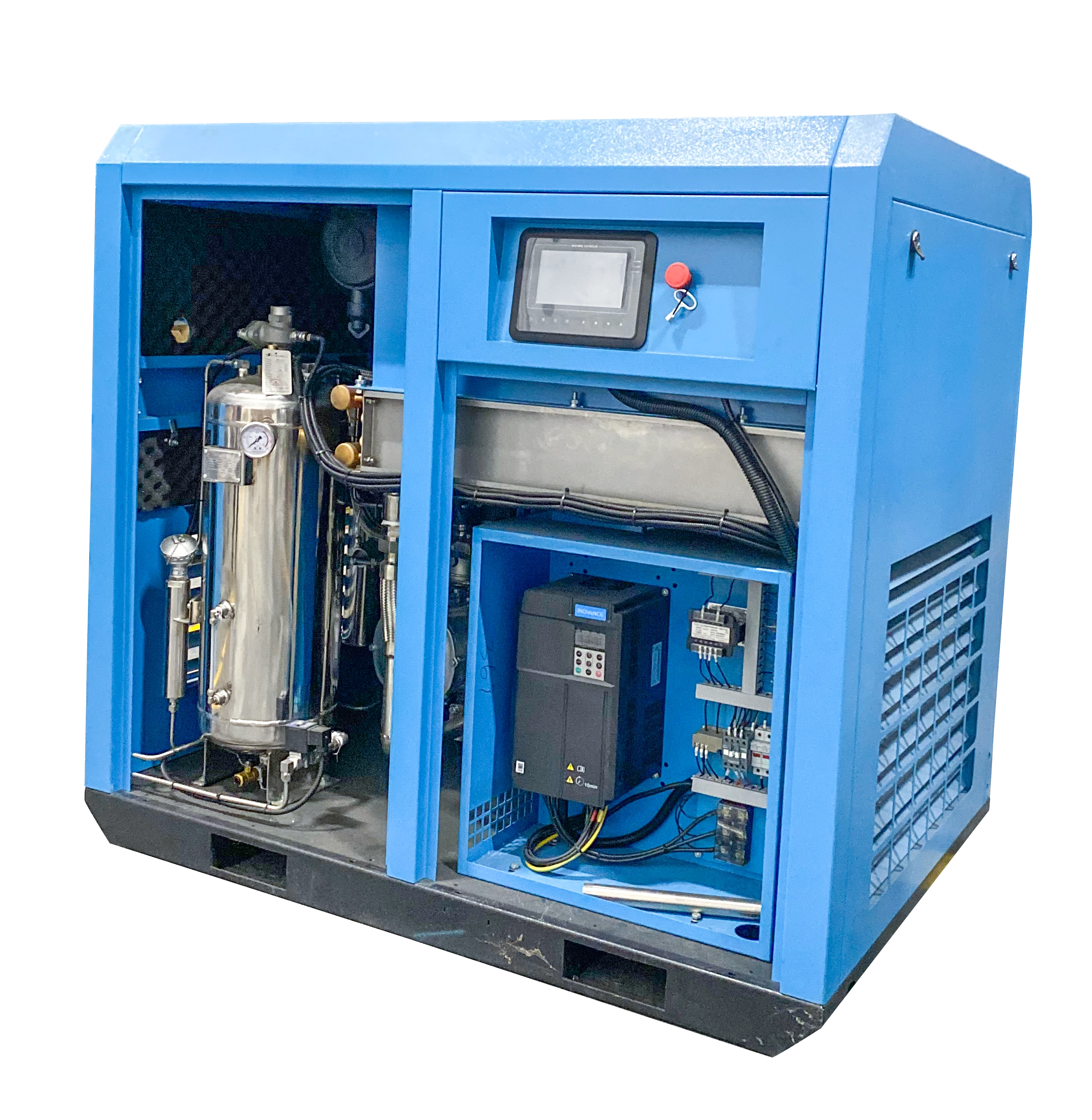
An oil-lubricated air compressor, on the other hand, uses oil to lubricate its moving parts, particularly the piston and the valves, which helps reduce friction and wear. This type of compressor is designed for heavy-duty applications where high volumes of air are needed over extended periods. While oil-lubricated air compressors are known for their durability, they also require more maintenance, including regular oil changes and checks for potential oil leaks.
Unlike oil-free compressors, the output air from an oil-lubricated compressor may contain traces of oil, which could be problematic in certain sensitive environments.
Durability and Longevity: Oil-lubricated compressors tend to last longer due to the lubrication that reduces wear and tear.
High Efficiency: Ideal for large-scale, industrial operations that require continuous use of compressed air.
More Maintenance Requirements: Regular oil checks, changes, and cleaning are necessary to maintain optimal performance.
Oil Contamination Risk: There is a possibility of oil entering the air stream, which could be problematic in specific industries.
Oil-free air compressors come with several distinct advantages, particularly in applications where clean, uncontaminated air is essential.
One of the primary benefits of an oil-free compressor is that it produces air that is free from contaminants. This makes them indispensable in industries such as food processing, pharmaceuticals, and electronics manufacturing, where even the smallest oil contamination could lead to defects or safety concerns.
Without the need for regular oil changes or lubrication checks, oil-free compressors reduce the overall maintenance burden. This results in lower long-term operating costs, especially when used in settings where downtime must be minimized.
Since oil-free compressors don’t use oil, they eliminate the need for proper disposal of used oil, making them a more environmentally friendly option.
With fewer moving parts that require lubrication, oil-free compressors are easier to maintain. For example, the risk of oil leaks is eliminated, which can otherwise be a significant maintenance issue with oil-lubricated models.
While oil-free air compressors have their merits, oil-lubricated models still provide significant advantages, especially for heavy-duty, high-performance needs.
Oil-lubricated compressors are generally more efficient when it comes to large-scale operations. They can handle higher air pressures and longer operational hours without overheating or losing performance, making them ideal for industries requiring consistent, high-volume air output.
The lubrication provided by oil reduces friction within the compressor, extending the lifespan of the components. In industrial settings where the compressor is in constant use, oil-lubricated models often outperform oil-free ones in terms of durability.
Oil-lubricated compressors can function better in extreme conditions—both in terms of heat and load. This makes them the go-to option for demanding applications such as construction sites or manufacturing plants.
The table below outlines some of the key differences between oil-free and oil-lubricated air compressors:
| Feature | Oil-Free Air Compressor | Oil-Lubricated Air Compressor |
|---|---|---|
| Lubrication | No oil required | Requires oil for lubrication |
| Air Quality | Oil-free air (clean air) | May contain oil traces |
| Maintenance | Low maintenance, no oil change | Regular oil changes required |
| Lifespan | Shorter lifespan (compared to oil-lubricated models) | Longer lifespan due to oil lubrication |
| Applications | Ideal for sensitive industries | Heavy-duty, industrial use |
| Cost | Higher upfront cost | Lower initial cost, but higher maintenance costs |
| Environmental Impact | Lower environmental impact | Higher due to oil disposal needs |
The choice between an oil-free and an oil-lubricated air compressor depends largely on the specific needs of your business or application.
Oil-Free Air Compressors are better suited for industries that demand clean, uncontaminated air, such as food production, pharmaceuticals, and medical applications. They are also ideal for smaller operations or portable units where maintenance needs to be minimal.
Oil-Lubricated Air Compressors are generally better for heavy-duty tasks, such as in manufacturing plants, automotive garages, or construction, where high efficiency, continuous use, and durability are prioritized.
When considering the cost of an air compressor, both the initial purchase price and the long-term operational costs should be evaluated.
Oil-Free Compressors typically have a higher upfront cost due to their advanced technologies, but their long-term maintenance costs are lower because no oil changes are required.
Oil-Lubricated Compressors generally have a lower initial cost, but ongoing expenses for oil changes, parts replacement, and oil disposal can add up over time.
In terms of cost-effectiveness, oil-free air compressors tend to be more beneficial for smaller businesses or those with lighter, less demanding applications. Oil-lubricated compressors, on the other hand, offer the best value in industries requiring high performance and continuous operation.
Maintenance is a key consideration when choosing between these two types of compressors.
Oil-Free Compressors require very little maintenance, as there is no oil to change. However, users should still monitor for wear on the internal components, check for dust or debris buildup, and clean filters regularly.
Oil-Lubricated Compressors demand more frequent upkeep. This includes regular oil changes, checking for oil leaks, and maintaining the lubrication system to ensure the compressor operates efficiently.
Both oil-free and oil-lubricated air compressors come with distinct benefits, and the best choice depends largely on the specific demands of your operation. Oil-free compressors are ideal for industries that need clean, uncontaminated air and require low maintenance. Oil-lubricated compressors, on the other hand, excel in heavy-duty, high-performance environments where longevity and continuous operation are critical.
Understanding the operational requirements, maintenance capabilities, and cost-effectiveness of each option is crucial for making an informed decision that aligns with your needs.
1. Can I use an oil-free compressor for heavy-duty tasks?
While oil-free compressors are generally more suitable for light to medium-duty applications, some high-performance oil-free models can handle moderately demanding tasks. However, for very high-pressure or extended operations, oil-lubricated compressors are often preferred.
2. How often do I need to change the oil in an oil-lubricated compressor?
Typically, oil-lubricated air compressors require oil changes every 500 to 1,000 hours of operation. Always refer to the manufacturer’s guidelines for specific maintenance schedules.
3. Are oil-free air compressors quieter than oil-lubricated ones?
Yes, oil-free compressors tend to be quieter because they don’t have the added noise generated by the oil lubrication process.
4. Are oil-free compressors more expensive than oil-lubricated ones?
Generally, oil-free compressors have a higher initial cost, but they save money on long-term maintenance costs since no oil changes are needed.
5. Can oil-free compressors handle high air pressures?
Oil-free compressors are generally designed for light-to-medium pressure applications. For extremely high air pressures, oil-lubricated models may be more appropriate.


