
- Home
- Products
- Hot
- About Us
- Services
- Industry
- Contact
Views: 0 Author: Site Editor Publish Time: 2026-08-18 Origin: Site


Installing compressed air systems indoors eliminates the need for exterior weatherproofing. It also removes long piping runs, streamlining overall plant operations and maintenance. However, bringing this heavy machinery inside introduces significant occupational noise risks for your workforce. Retrofitting enclosures or building sound-dampening walls post-installation is exponentially more expensive than doing it right the first time. Purchasing the right equipment upfront avoids this massive financial trap. Many facilities routinely underspecify noise limits, only to face severe compliance penalties and frustrated workers later on. Setting clear boundaries during the procurement phase changes everything. This guide provides plant engineers and procurement teams a highly concrete framework. You will learn exactly how to evaluate equipment and verify bold manufacturer claims. Furthermore, we will show you how to write airtight noise specifications directly into your Request for Quotations (RFQs).
Occupational safety organizations enforce strict hearing protection rules worldwide. Agencies like OSHA and WorkSafe establish clear compliance baselines to protect workers. They mandate comprehensive hearing conservation programs when exposure hits 85 dBA. This threshold applies over a standard eight-hour working shift. If workplace levels reach 90 dBA, facilities must implement mandatory engineering controls. You cannot simply hand out earplugs at this higher threshold. You must actively reduce the acoustic energy at the source.
Specifying an indoor machine exactly at 85 dBA guarantees regulatory failure. Sound behaves unpredictably inside industrial buildings. Indoor environments reflect acoustic waves heavily off hard surfaces. A machine rated at 85 dBA in a lab will sound much louder inside your plant. You should specify new equipment at 75 dBA or lower. This specific buffer zone allows for environmental reflection. It also accounts for the simultaneous operation of other surrounding machinery. Effective industrial noise control requires planning for these cumulative effects.
Continuous low-frequency hums hurt overall operational productivity. These sounds do not always cause immediate hearing damage. However, they create immense worker fatigue over a long shift. High ambient decibels also lead to dangerous communication errors on the plant floor. Workers struggle to hear warning alarms or verbal instructions. Lowering the ambient volume directly improves both safety and daily output.
Best practices for compliance baselines include:
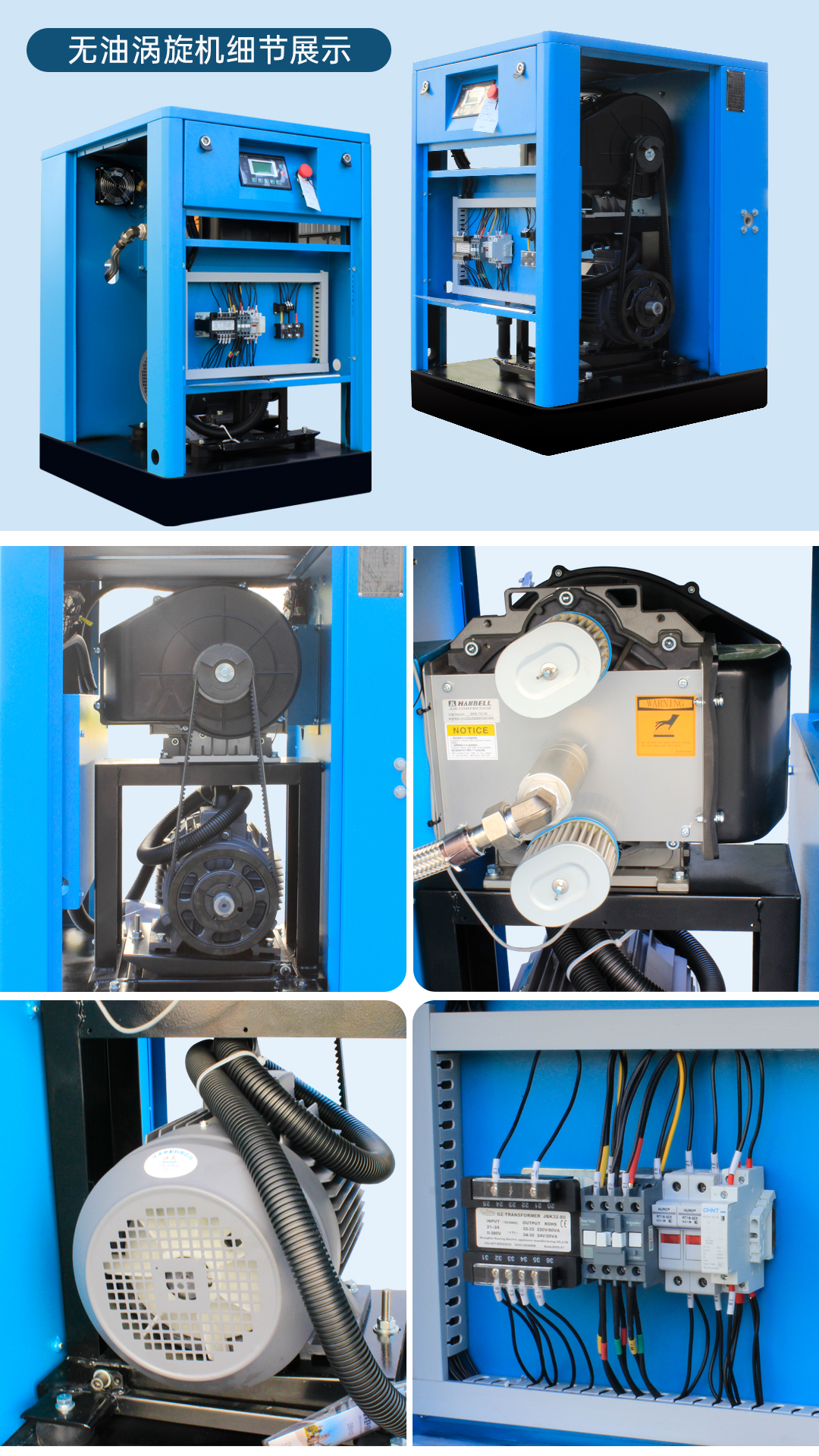
Buyers often struggle to interpret acoustic metrics on vendor cut sheets. You must understand the difference between sound pressure and sound power. Sound pressure (dBA) is what workers actually hear in the room. Sound power (LwA) represents the total acoustic energy emitted by the machine. Do not confuse these two distinct measurements. Evaluating the true compressor noise level requires looking at sound pressure at a very specific distance.
The distance variable changes everything in acoustic planning. Sound dissipates according to the inverse square law. Manufacturers sometimes manipulate perceived ratings using this physics principle. They might cite measurements taken from three meters away. Some even cite measurements taken from ten meters away. A machine reading 70 dBA at ten meters will be deafening at one meter. Always verify the exact distance used for the published rating.
Vendor testing usually happens in highly controlled free-field environments. Free-field testing means no echoing surfaces exist nearby to bounce waves back. Real-world indoor plants feature bare concrete floors and low ceilings. They also utilize highly reflective corrugated metal walls. These common surfaces amplify perceived volume significantly. You can expect real-world levels to be 3 to 5 dBA higher than free-field tests.
Acoustic Metric Comparison Chart
| Acoustic Metric | Technical Definition | Practical Application in RFQ |
|---|---|---|
| Sound Pressure (dBA) | The physical acoustic pressure workers experience at a given point. | Use this as the primary target metric for strict regulatory compliance. |
| Sound Power (LwA) | The absolute total acoustic energy generated by the internal mechanics. | Use this for comparing absolute machine emissions across different brands. |
| Frequency Band (Hz) | The specific pitch of the emitted acoustic waves. | Use this to determine what type of dampening materials you need. |
Different compression technologies generate fundamentally different acoustic profiles. You must match the internal mechanical architecture to your specific facility needs. The heavy-duty standard for continuous operations relies on rotary mechanisms. You should actively look for specific built-in mitigation features. Premium units utilize heavy cast-iron housings to trap internal mechanical clatter. They also feature low-speed oversized rotors to reduce operational hum. Selecting a low noise screw air compressor requires accepting a minor commercial trade-off. It demands a higher upfront financial commitment. However, it delivers a drastically lower acoustic footprint per CFM compared to unenclosed piston models.
Certain specialized applications demand virtually silent operation. Laboratories, clean rooms, and point-of-use manufacturing cells have strict acoustic limits. An ultra-quiet alternative often runs well under 65 dBA. These units utilize orbital motion rather than colliding metal parts. You must keep their specific operational limitations in mind. They offer lower overall CFM capacity. They can also face lifespan issues if pushed into continuous duty cycles. A scroll air compressor shines brightest in highly specialized, intermittent demand environments.
Avoid standard unenclosed piston models for indoor installations completely. Their reciprocating motion generates aggressive, low-frequency thumping. This specific frequency travels easily through concrete floors and walls. It becomes nearly impossible to dampen without building a dedicated masonry room. You will spend far more on structural soundproofing than you saved on the machine.
Technology Application Decision Matrix
| Technology Architecture | Ideal Duty Cycle | Typical Ambient Range | Best Facility Application |
|---|---|---|---|
| Orbital Scroll Units | Intermittent / Phased | 50 - 65 dBA | Laboratories, clean rooms, point-of-use cells. |
| Rotary Screw (Factory Enclosed) | Continuous / 24-7 | 65 - 75 dBA | Main plant air, heavy industrial manufacturing. |
| Reciprocating Piston (Unenclosed) | Intermittent / Peak | 80 - 90+ dBA | Avoid for strict indoor acoustic compliance limits. |
Standard sheet metal panels do not provide adequate acoustic shielding. The enclosure must incorporate premium sound-absorbing foam lining its interior walls. You must demand a documented fire rating for this specific foam. Safety standards prohibit flammable acoustic materials near high-temperature mechanical components. Furthermore, you need highly dense external panels. These heavy panels physically block low-frequency transmission effectively. An optimized indoor air compressor traps dangerous sound waves before they escape into your workspace.
Structure-borne vibrations travel rapidly through standard concrete plant floors. These vibrations quickly turn into audible hums in adjacent rooms. Your equipment specification must require dedicated vibration isolators. Place elastomeric or heavy-duty spring isolators under critical components. You need them between the bare compression block, the drive motor, and the base frame. This crucial separation stops mechanical vibrations from transferring directly into the building structure.
Cooling fans and open air intakes generate significant high-frequency whine. They are frequently the primary acoustic offenders on otherwise enclosed models. Standard grilles do nothing to stop this escaping high-pitch sound. You must demand directional baffling and intake silencers in your specification. These engineered pathways force sound waves to bounce multiple times before exiting.
Common mistakes to avoid regarding structural features:
Vague procurement documents yield highly unpredictable and expensive results. You must require all bidding vendors to submit standardized test data. This data must comply with recognized global industry standards. Excellent examples include the CAGI/PNEUROP test codes or ISO 2151. Demanding these specific frameworks ensures a fair, apples-to-apples vendor comparison. It prevents aggressive salespeople from submitting manipulated free-field data.
Ambiguity regarding the measurement location always favors the vendor. You must explicitly standardize the exact measurement point. State this exact phrase directly in your RFQ document. "Acoustic levels must not exceed [X] dBA when measured at 1 meter distance and 1.5 meters height, under full load conditions." This leaves zero room for debate during the final commissioning phase.
You must hold the vendor financially accountable for their claims. Include strong contractual language specifying on-site acoustic remediation responsibilities. The installed equipment might fail to meet the specified dBA during final commissioning. If this happens, the vendor must provide the necessary soundproofing upgrades. A mandatory penalty clause shifts the financial risk away from your facility.
Follow these sequential steps when writing your specification:
Securing a quiet indoor environment requires a highly disciplined procurement approach. You must evaluate all heavy equipment using standardized acoustic data. Always account for poor room acoustics and intense environmental wave reflection. Choose the appropriate internal technology architecture based on your specific duty cycle. Vague assumptions about sound limits will inevitably trigger severe regulatory penalties.
We strongly advise procurement teams to look beyond the initial purchase price. Weigh the upfront capital investment of a premium, factory-silenced unit carefully. Compare this investment against the immense structural expenses of building dedicated compressor rooms. Installing the right technology initially prevents expensive facility modifications later. It also protects your workforce and maintains long-term operational productivity.
A: You should target an operational range between 70 and 80 dBA. This specific buffer safely avoids the strict 85 dBA compliance threshold set by occupational safety agencies. It accounts for acoustic reflection off concrete floors and metal walls, ensuring workers remain safe without requiring mandatory hearing protection programs.
A: Manufacturer specifications rely on free-field testing environments lacking reflective surfaces. Your plant floor features concrete, steel, and low ceilings causing severe environmental reflection. Furthermore, placing the machine in tight corners amplifies sound waves. Structure-borne vibrations transferring into the floor also increase the perceived volume significantly.
A: We strongly advise against aftermarket retrofits. Adding an unapproved enclosure traps severe heat, causing immediate overheating and mechanical failure. It also typically voids the original manufacturer warranty. Purchasing factory-integrated low-noise models guarantees proper cooling airflow while maintaining strict acoustic dampening standards safely.


